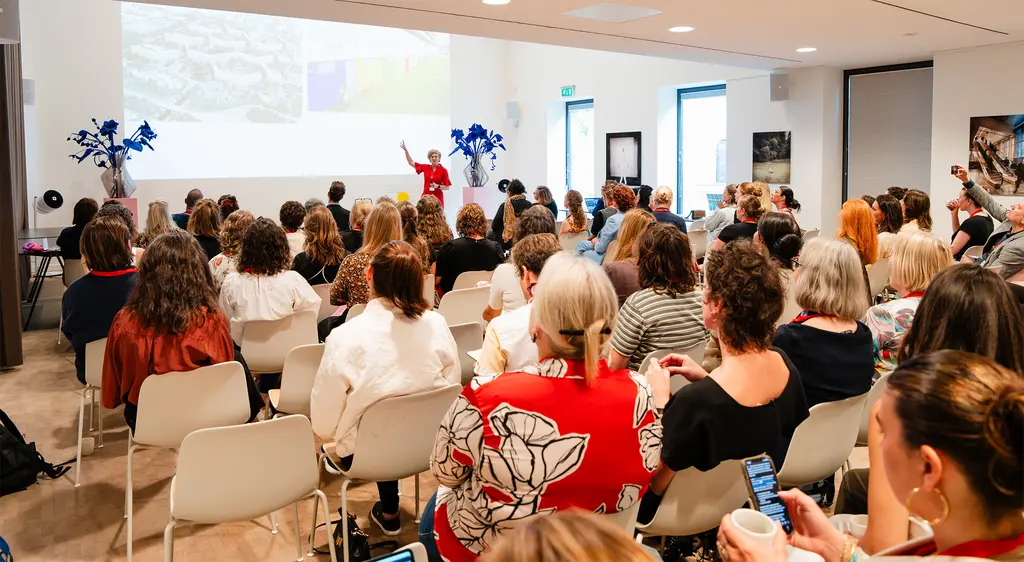
How can you ensure that policy actually contributes to gender equality? This question is more relevant than ever and was the central theme of the Gender in Policy conference on 2 July 2026. Atria, together with its partners Rutgers, Movisie, Drs Mama, VHTO and Utrecht University, shared insights and knowledge on the gender perspective across various policy areas: gender-based violence, informal and unpaid work, technology and self-determination.
How can you ensure that policy actually contributes to gender equality? This question is more relevant than ever and was the central theme of the Gender in Policy conference on 2 July 2026. Atria, together with its partners Rutgers, Movisie, Drs Mama, VHTO and Utrecht University, shared insights and knowledge on the gender perspective across various policy areas: gender-based violence, informal and unpaid work, technology and self-determination.
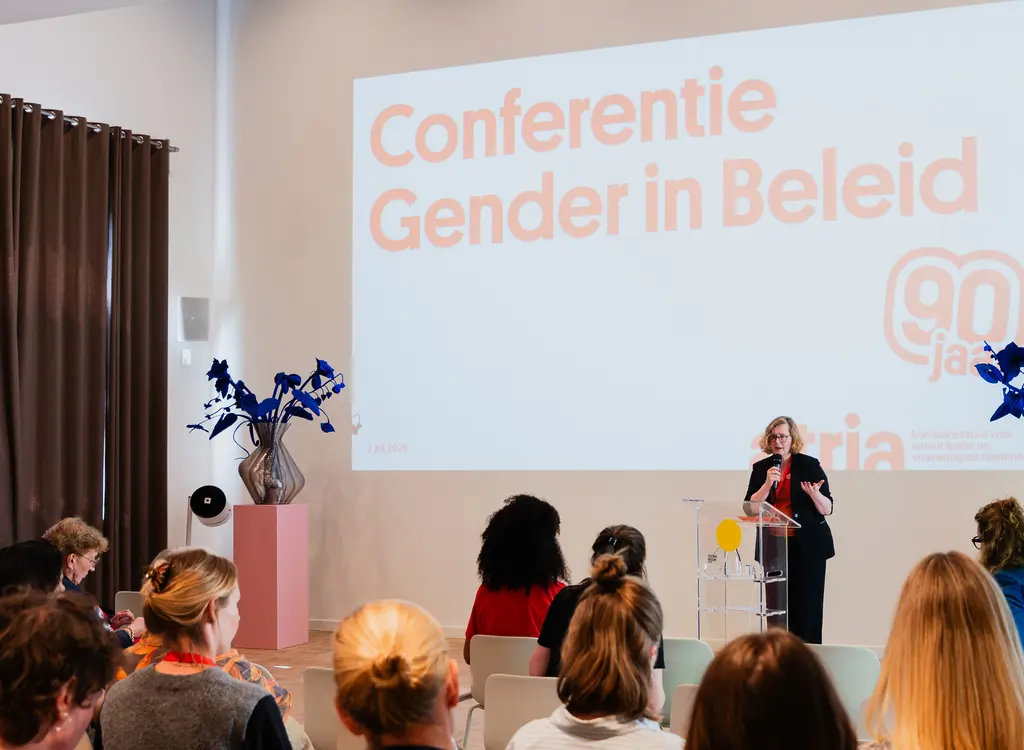
Karin van der Heiden, Managing Director of Atria, opened the conference with a look back at 90 years of women’s gender equality. She paid tribute to pioneers such as Rosa Manus, Johanna Naber, Willemijn Posthumus-van der Goot and Joan Ferrier, who each contributed in their own way to greater equality. Their work demonstrates that knowledge, research and documentation are essential for changing social systems. Van der Heiden emphasised that gender inequality is intertwined with other factors, such as ethnicity, age and sexuality, and that policy can have a profound impact on people’s lives. She also conveyed a message of hope: progress is possible if we continue to work together towards gender equality.
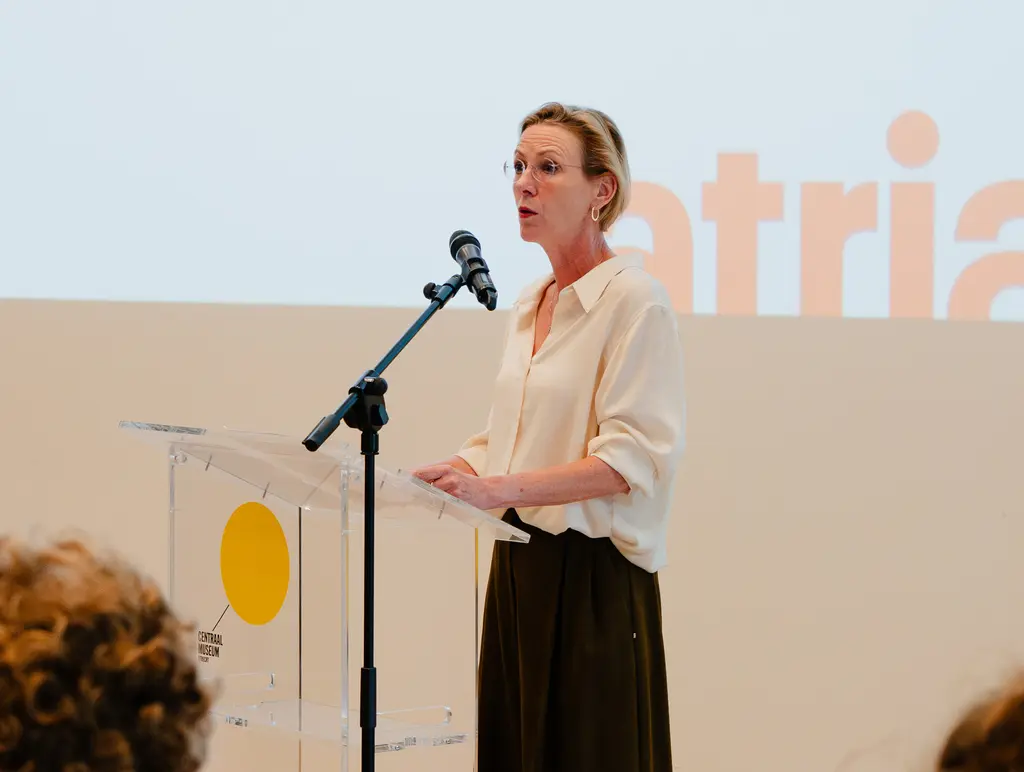
As Judith Tielen, State Secretary for Education and gender equality, was unable to attend due to a debate in the House of Representatives, Esther van Dijk, Director of the gender equality Directorate, addressed the audience. She emphasised that gender equality affects all policy areas. Policies that appear equal for everyone on paper can have different outcomes for women and men in practice. This calls for attention to be paid to issues such as safety, health and freedom. According to Van Dijk, gender equality is about the ability to make one’s own choices: from being able to walk safely in the street to working and caring for others in a way that suits you. She called on those present to continue sharing knowledge and ideas, both online and offline, and to keep gender equality firmly on the agenda.
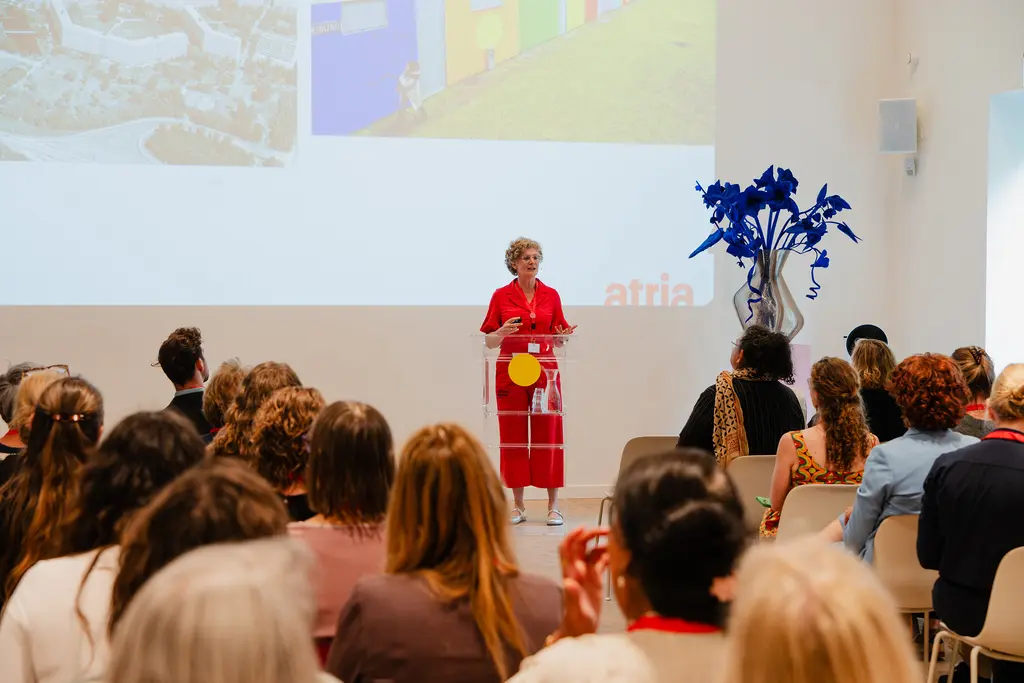
Julia Wouters engaged with the audience in a discussion about what gender-sensitive policy means in practice. Using examples, she demonstrated that policy is never neutral and that choices regarding the organisation of society can have different consequences for different groups. She cited Barcelona as an inspiring example, where former mayor Ada Colau had public spaces redesigned with a greater focus on safety, accessibility and social interaction.
The central theme of the morning was clear: gender-sensitive policy requires attention to differences in experiences, needs and opportunities. In the four breakout sessions, this was then translated into specific policy areas.
Gender-based violence: how policy can contribute to prevention
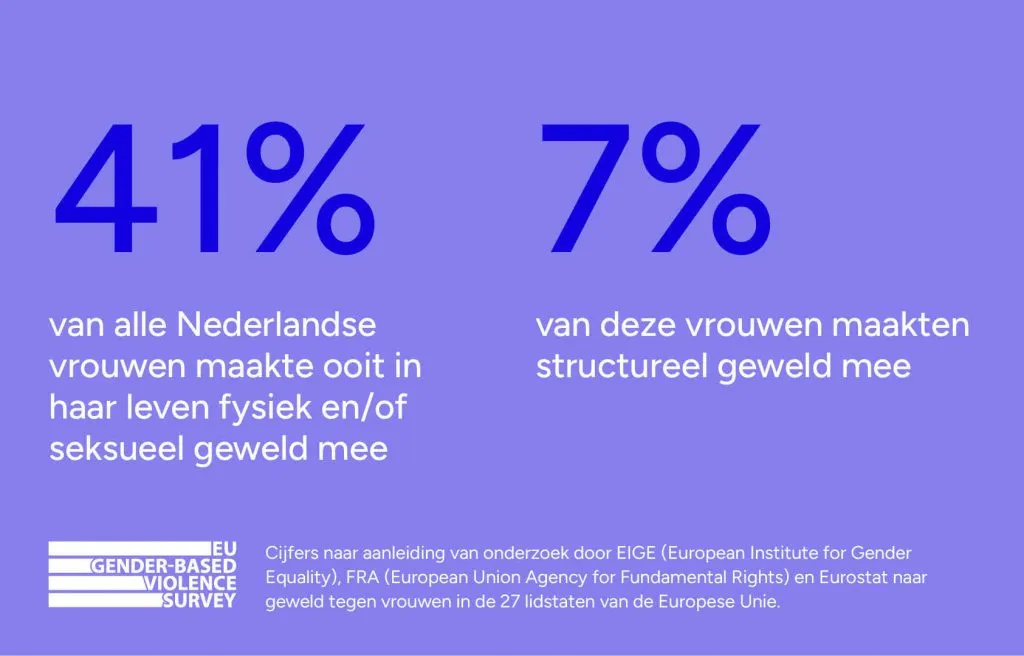
In this interactive session, Atria and Rutgers explored how gender stereotypes, everyday sexism and exclusion create a breeding ground for gender-based violence. Speakers emphasised that prevention begins with seemingly minor remarks, microaggressions and stereotypes that are instilled from an early age. Attention was also paid to groups that are often overlooked, such as gender-diverse people, even though they are relatively frequently subjected to violence. Using the pyramid of violence and specific policy case studies, the discussion centred on how policy can intervene earlier in the chain: by investing in equitable upbringing, prevention among young people and potential perpetrators, greater diversity in policy development, and actively assessing policies for inclusivity and effectiveness.
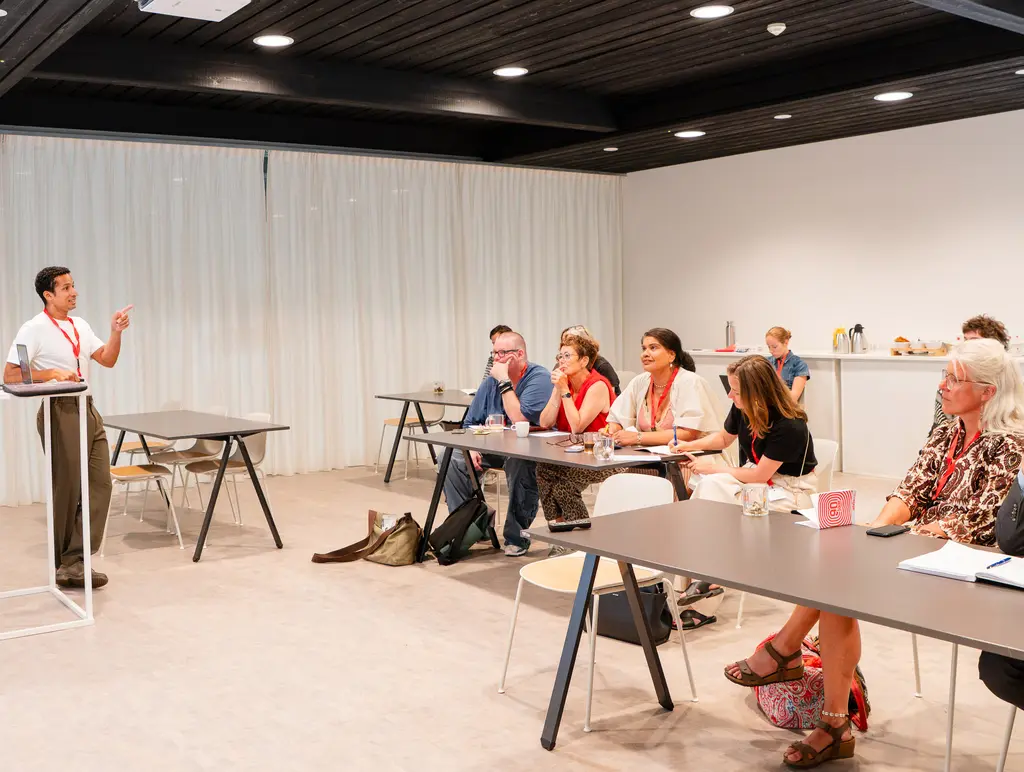
Policy and remuneration: the value of informal and unpaid work
In this session, Atria, Movisie and Drs Mama explored the social and economic value of informal and unpaid labour. From childcare and informal care to domestic work: these tasks are indispensable to the functioning of society, yet often remain invisible in policy and public debate. Examples were used to illustrate how the way issues are framed influences policy. Participants explored how a different perspective can lead to greater appreciation for care work and how policy can better take into account the balance between paid work and care responsibilities. Central to this was the question of how responsibilities can be shared more fairly and what role the government can play in this.
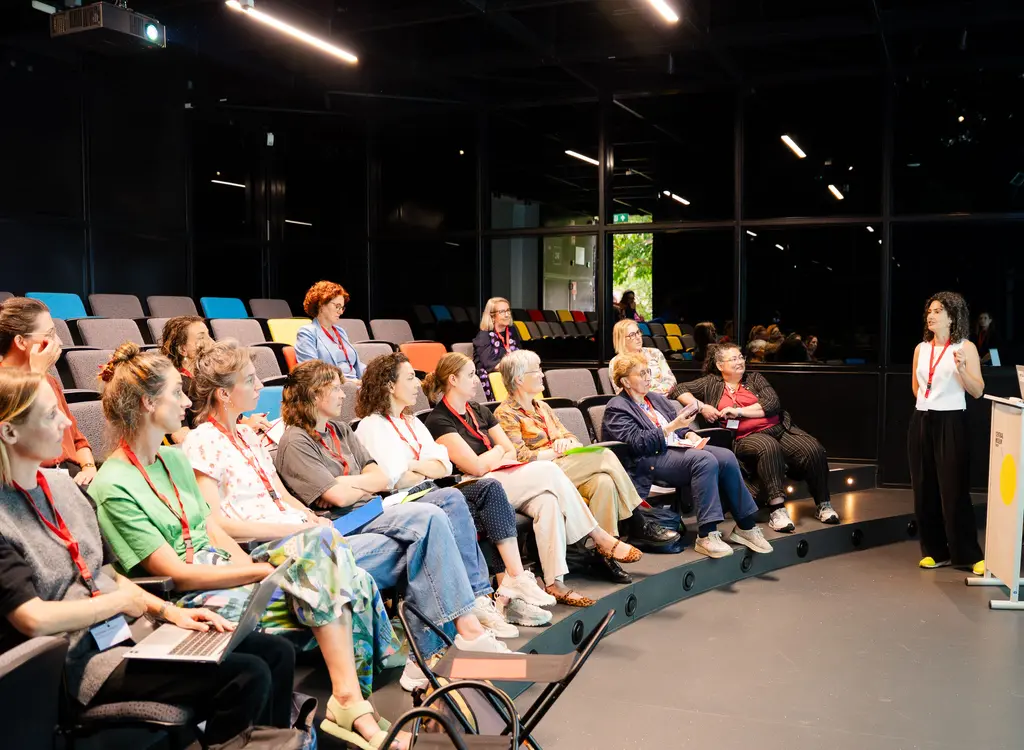
Ensuring gender equality in a digital society: policy guidelines
During this session, Atria and VHTO explored how gender equality can be better embedded in policy relating to digitalisation and AI. Speakers highlighted the lack of women among technology developers and the way in which existing societal inequalities can be reflected in algorithms, online platforms and digital environments. At the same time, digitalisation also offers opportunities to strengthen gender equality. Participants discussed solutions at various levels: from structural measures such as gender mainstreaming and greater representation in education and the media to breaking down persistent stereotypes about technology and talent. It was also emphasised that the rise of online misogyny and the ‘manosphere’ calls for a joint approach. As one participant put it: “Without young people at the table, we cannot solve this issue.” After all, for young people, the online and offline worlds are becoming increasingly indistinguishable from one another.
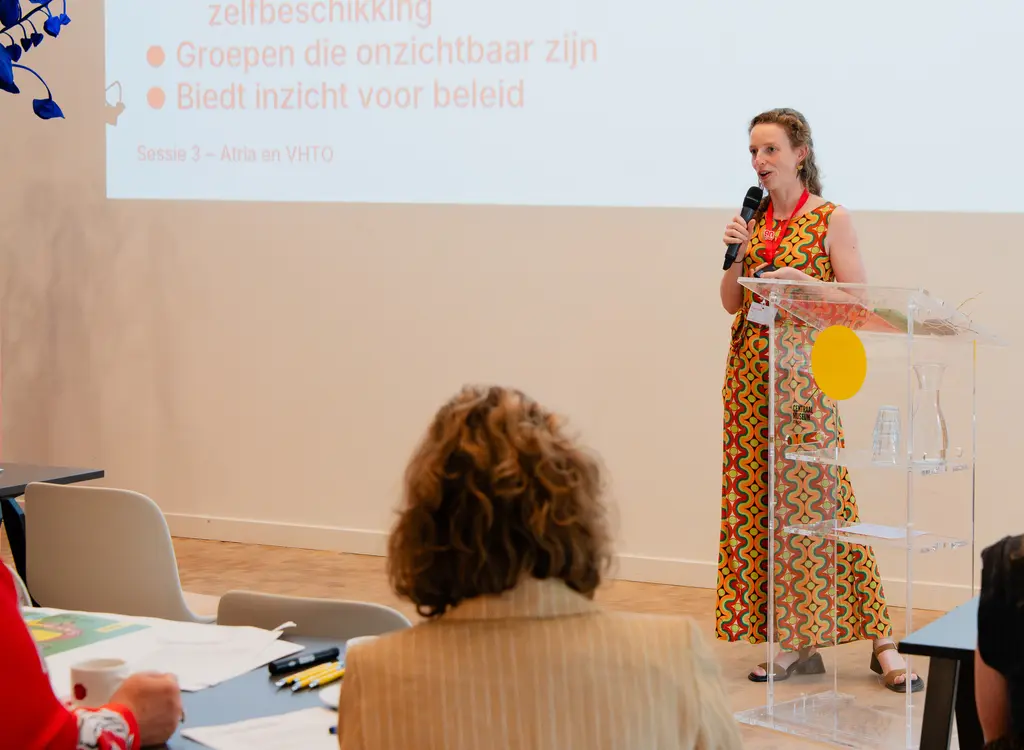
Between policy and perception: self-determination from a historical and social perspective
In this session, Atria and researcher Dr Fleur van Leeuwen (Utrecht University) explored how self-determination, gender and policy are interlinked. The central question was how rights can be translated into genuine freedom of choice in practice. Participants emphasised that self-determination requires more than just formal rights: the circumstances in which people make choices are also decisive. Access to care, physical accessibility, social position, cultural background and experiences with authority all play a role. There was a clear call to develop gender-sensitive policies that take diversity into account without resorting to stereotyping. As was noted during the session:
"A gender-sensitive policy requires an awareness of diversity, without resorting to clichés."
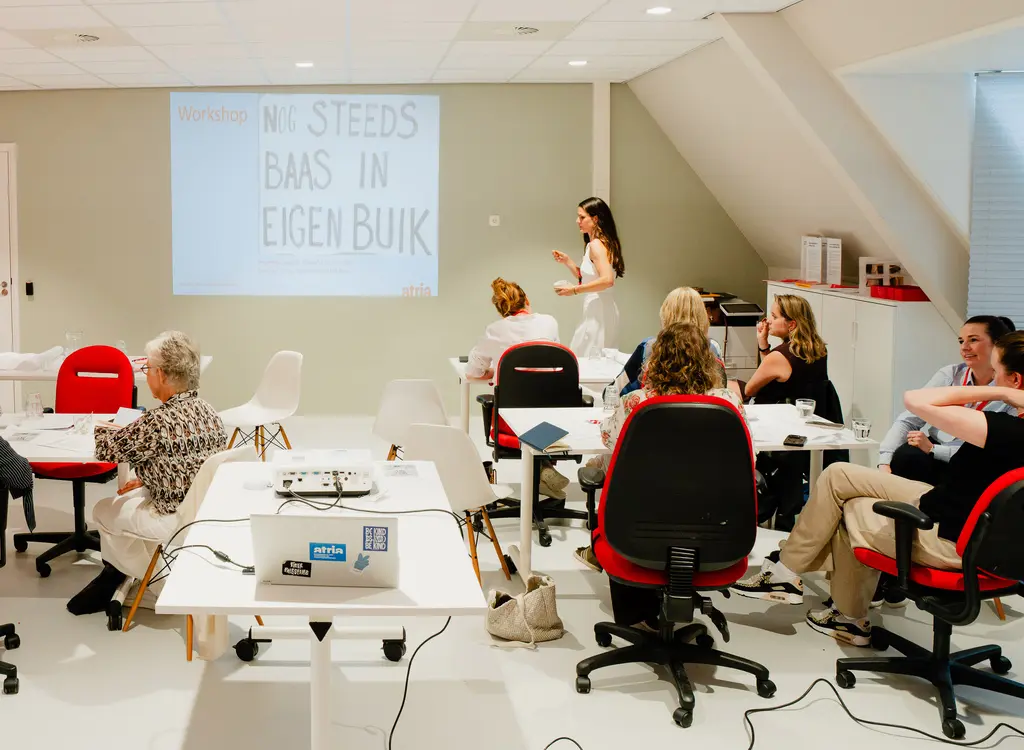
Through new insights, practical guidance and inspiring examples, the conference demonstrated that gender-sensitive policy is not an abstract ideal, but a necessary prerequisite for a society in which everyone has equal opportunities.
Closing performance by Sophia Blyden
The day concluded with a spoken word performance by Sophia Blyden. In a personal and powerful recitation, she linked the history of the women’s movement to today’s discussions – on policy, archives, courage and change. Her closing words provided a fitting end to the conference and an invitation to continue thinking, questioning and taking action.
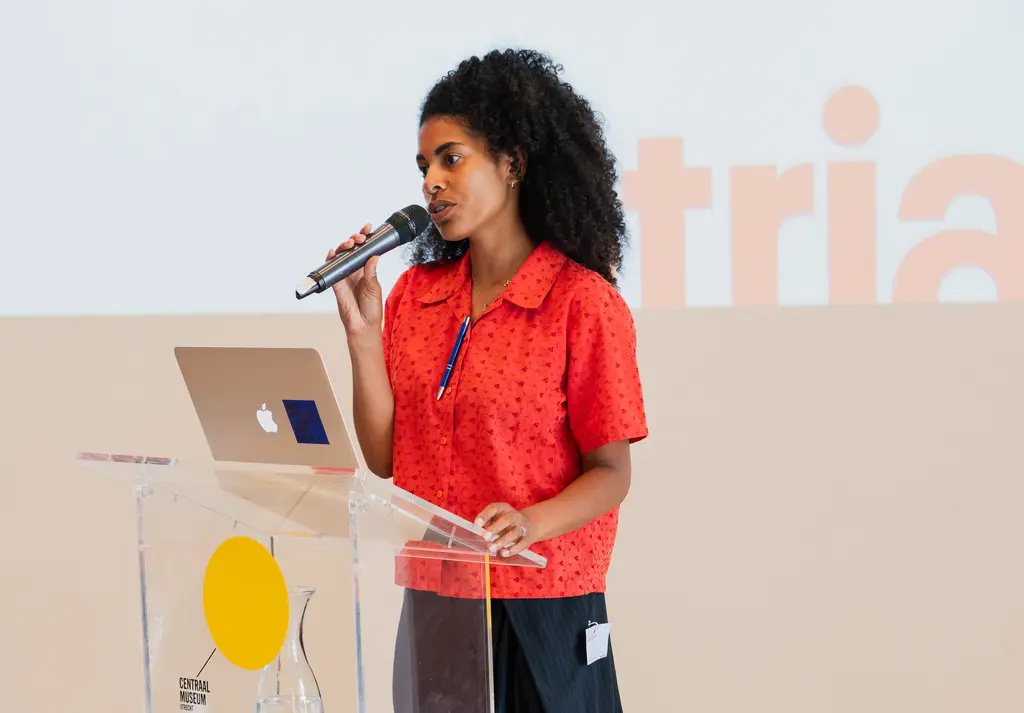
"I’m leaving this room with more questions than I had when I came in. And today, perhaps surprisingly, that feels like progress. And I’m certain of one thing: it is possible."