How black, migrant and refugee women discussed abortion and birth control through information.
How black, migrant and refugee women discussed abortion and birth control through information.
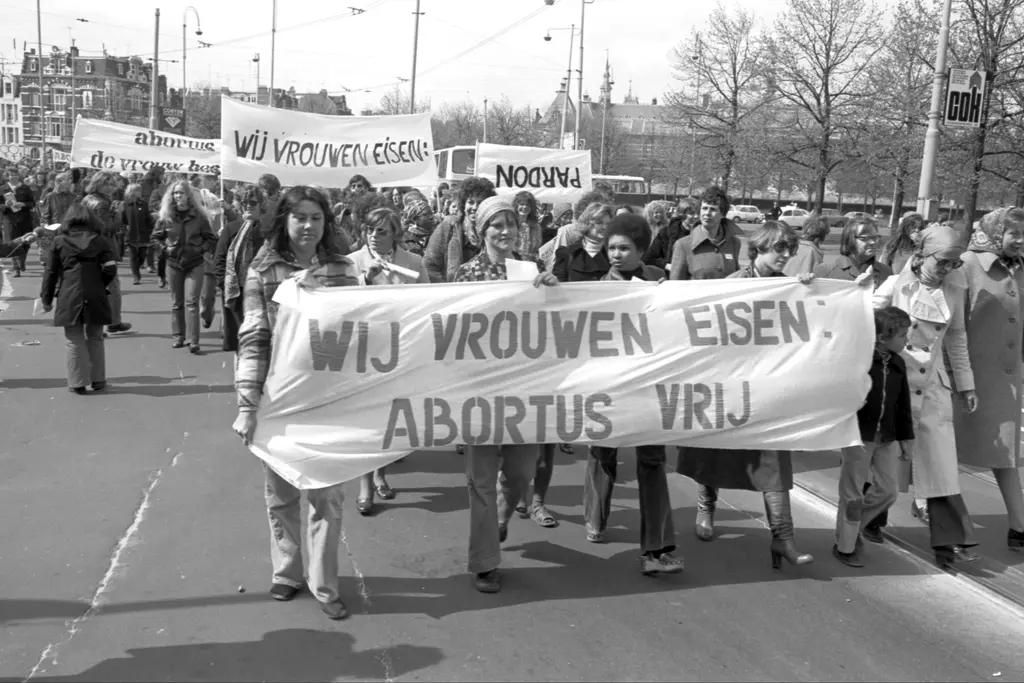
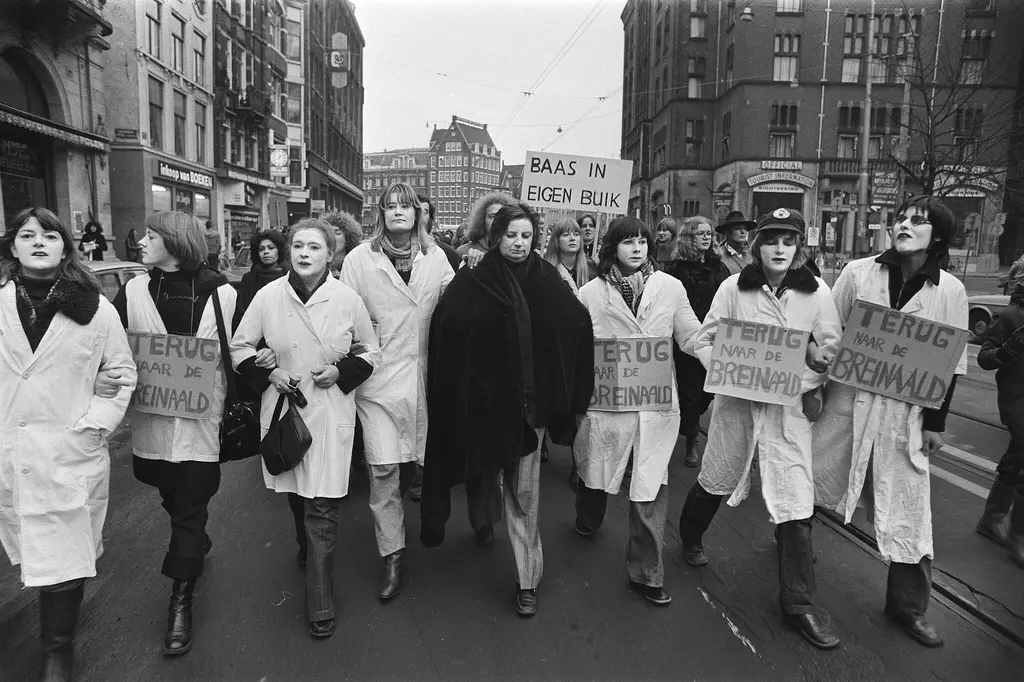
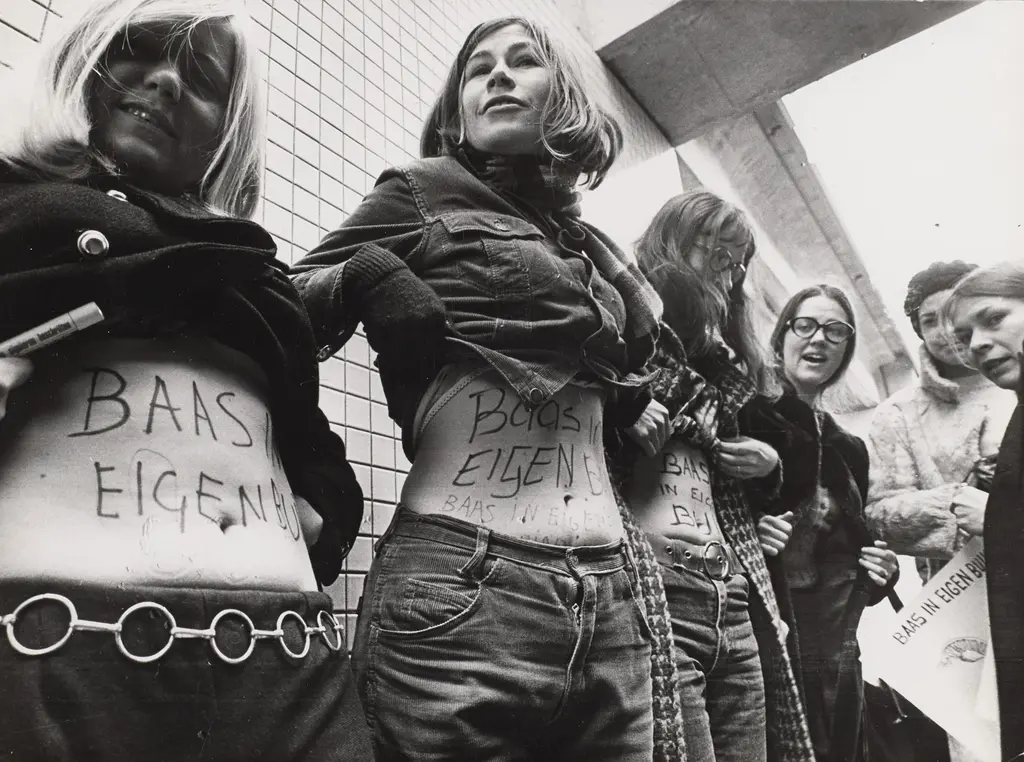
That the role of black, migrant and refugee women has been underexposed in what is known as the 'second feminist wave' has been written about many times. Little appeared to be known about the position of various black, migrant and refugee women and their organisations within the abortion debate. While several of the first black, migrant and refugee women's organisations nevertheless emerged at the same time when the fight for abortion rights was one of the main focal points for feminist organisations in the Netherlands (such as Dolle Mina and Wij Vrouwen Eisen).
It raises the question of how black, migrant and refugee women's organisations fought for more self-determination at that time and how the issue of abortion fitted into their gender equality struggle. With this research, we aim to make black, migrant and refugee women and different forms of activism and gender equality more visible. With the aim of taking a first step towards a fuller picture of abortion activism and thus the 'second wave'.
The importance of knowledge and information
There are differences in the themes that different black, migrant and refugee women (organisations) dealt with, but there seem to be similarities in the way the gender equality process took shape. During this research in the archives at Atria, one thing kept coming back time and again: the importance of knowledge and information for gender equality. Also later during in-depth interviews, several women confirmed how important information and information transfer were. For both the personal and social gender equality of women, knowledge and education were seen as essential.
Information
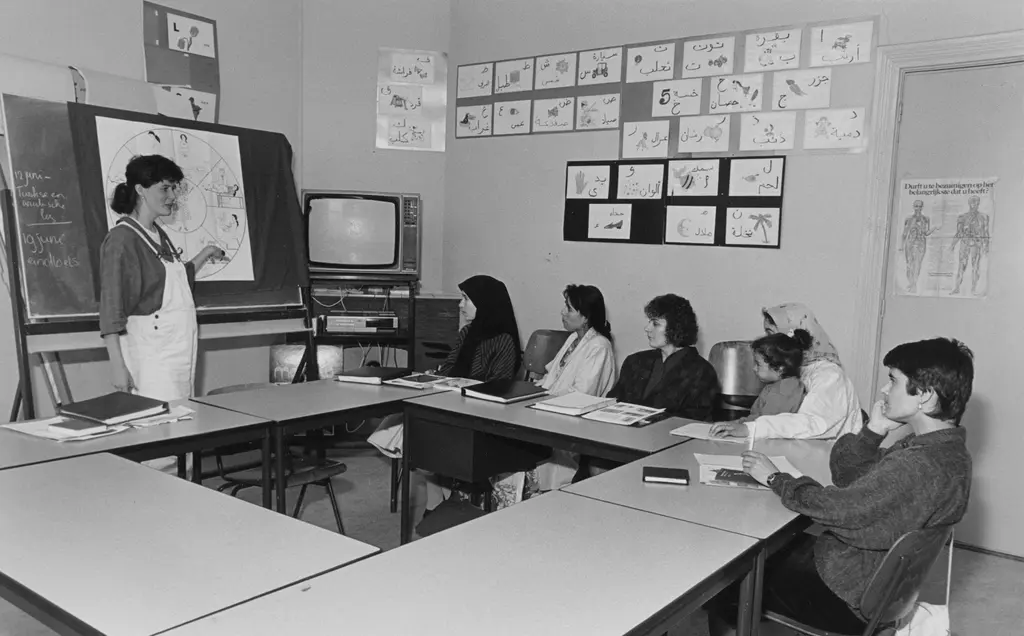
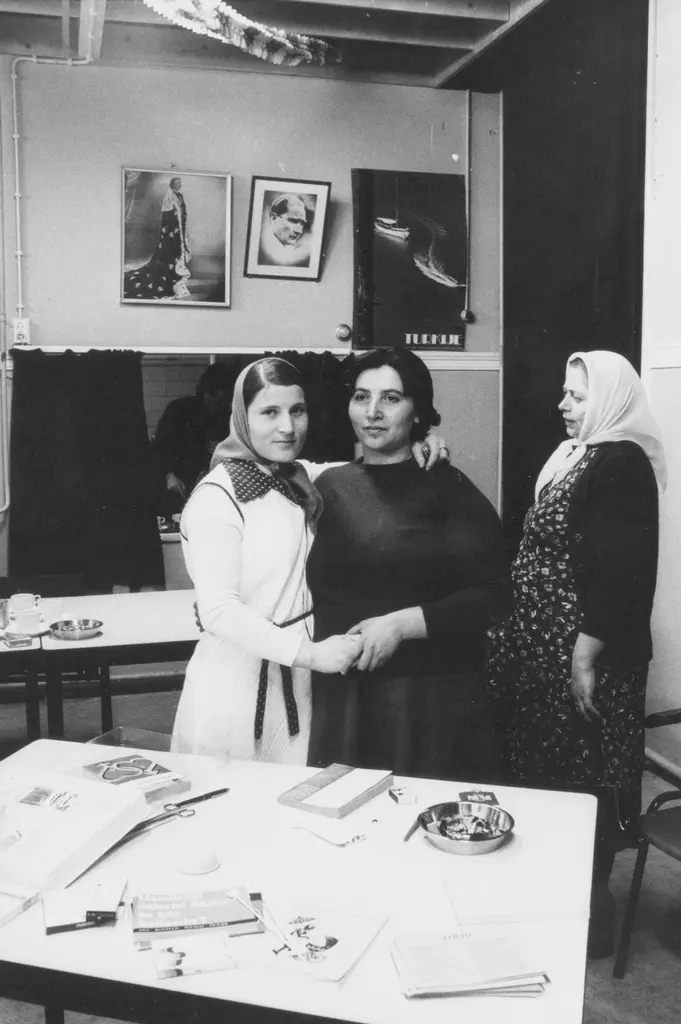
There were consultation hours and information sessions, discussion evenings and theme weekends. Many black, migrant and refugee women's organisations also published their own magazines to keep women informed. It proved to be a low-threshold way of creating awareness and bringing women together. When it comes to providing information on birth control, it is clear from the archives and interviews that this took shape in many different ways. From one-to-one interactions to magazine articles. Regularly hampered by the taboos on sexuality, other times precisely with the intentions of breaking those taboos.
Gathering knowledge and information
Several black, migrant and refugee women's organisations also recognised the importance of collecting the knowledge and information they gathered. Thus, in 1985, the Flamboyant Foundation was set up as a library and documentation centre to be a gathering place for information for and written by black, migrant and refugee women.
Joining large-scale abortion activism
There are some examples of black, migrant and refugee women openly expressing their support for abortion rights in large-scale actions. For instance, the Turkish women of the HTKB walked with a demonstration of Wij Vrouwen Eisen (WVE - We Women Demand) in 1980. The Surinamese women of the SBSV also openly supported WVE's three demands and Ashanti magazine called on its readers to come. Individual black, migrant and refugee women clearly participated more frequently in (protest) actions in the fight for abortion rights.
Obstacles
That more black, migrant and refugee women did not attend the protest actions of the large-scale struggle for abortion rights seems to have several reasons. Taboos and other priorities were major obstacles for several black, migrant and refugee women. In addition, timing seems to have been a determining factor. The abortion debate was already under way when the largest groups of black, migrant and refugee women in the Netherlands arrived and started to organise. The struggle for abortion rights had already been largely taken up by the feminist organisations Man Vrouw Maatschappij, Dolle Mina and WVE. Organisations that consisted of predominantly white middle-class Dutch, it was also argued in in-depth interviews. The white character of the organisations did act as a barrier to membership for several black, migrant and refugee women.