Feminism forms the intellectual basis of everything Atria does. Even though feminism is an umbrella term for different ideologies, feminism has one shared principle: opposing oppression based on sex and gender. What feminism means, when the struggle for gender equality began in the Netherlands and what role Atria plays in this.
How did feminism originate?
The word feminism was first used in the 18th century in French-speaking areas, but only much later took on the meaning we know today. For a long time, the word had a negative connotation, which meant that even influential thinkers such as Virginia Woolf and Margaret Atwood did not identify themselves as feminists. Many early thinkers, such as Olympe de Gouges and Anna Maria van Schurman, are now called 'protofeminists' - but in their time, the term did not exist.
From women's cause to intersectionality
Until well into the 20th century, the focus was on gender inequality.
Socialist feminists: advocated systemic change and dismantling patriarchy.
Liberal feminists: sought equal rights within democratic systems.
With postmodernism and the rise of minorities within feminism, the perspective changed:
Intersectionality: not only gender, but also class, ethnicity, sexuality and health influence inequality.
From sex to gender: gender identities are socially determined, independent of biological sex.
As a result, feminism today also focuses on gender equality of genderqueer, trans and intersex persons, as well as on breaking norms around masculinity.
Definition of feminism
Feminism (or feminisms) is an umbrella term for ideologies and movements that combat inequality based on gender and sex and strive for gender equality and equality. There is not one feminism, there are several movements. The shared premise: oppression based on sex, gender and the gendered body* must disappear.
Waves of feminism
Historically, feminism is often divided into waves. This is criticised within gender history because it would suggest that between the peaks of the waves, there are troughs, within which there is a lack of activity. This is untrue: there is more continuity between the waves than this periodisation would suggest. Also, historically, the waves focused mainly on the experiences of white women, so this periodisation also paints a limited picture of feminism in terms of content. Nevertheless, we give an overview of the waves, because this is a structure from which feminism is usually studied:
Protofeminists: 18th and 19th centuries
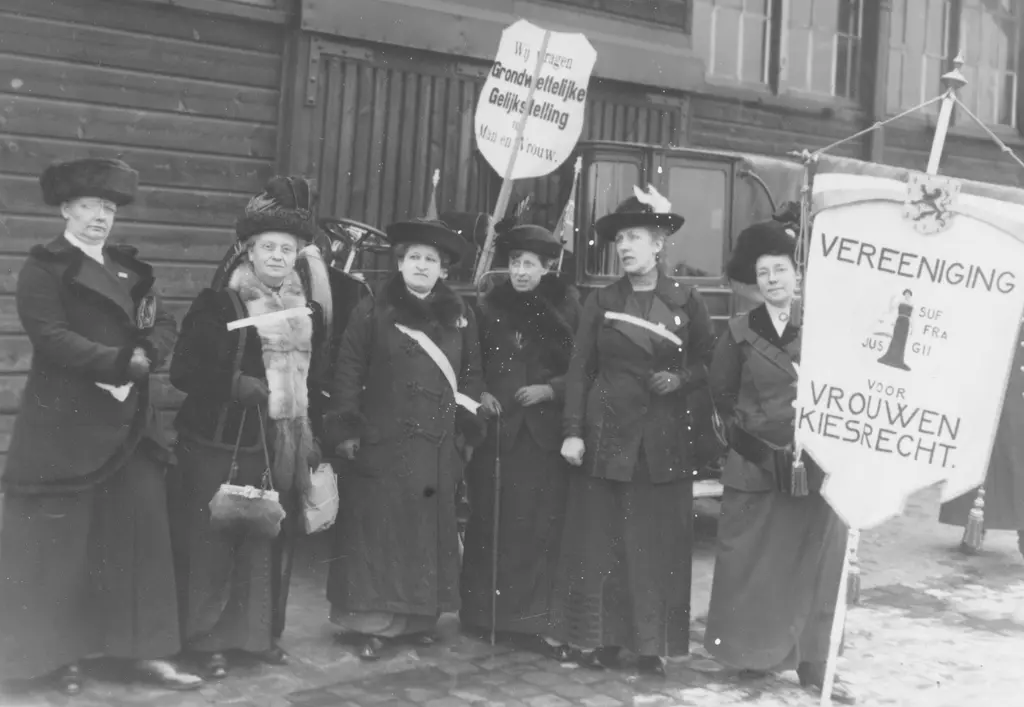
First wave: late 19th, early 20th century
Second wave: from the 1960s onwards
Third wave: from the 1990s onwards
Fourth wave: from 2012 onwards
What does Atria do?
Feminism forms the intellectual basis of everything Atria does: from research and communication to collection management and acquisition. As early as 1935, our predecessor, the International Archive for the Women's Movement (IAV), saw that women were missing from the culture of remembrance (the history we remember as a society and which can be encountered in all places). Over the past 90 years, Atria has remained in constant dialogue with itself and has continued to develop within the frameworks of feminism. The aim here is to preserve the history of feminism and of women, in all their diversity. This has resulted in a rich collection of around 120,000 books, 800 archives of individuals and organisations and a diverse collection of visual materials and objects.
In addition, our researchers actively research themes such as economic inequality, gender-based violence and self-determination. In this way, we not only focus on the past, but also contribute to the development of knowledge for the future.
Glossary
The gendered body
Our understanding of the body is not exclusively biological; it is also shaped by cultural and societal norms. Although today we know that gender is a spectrum, many scientific models are still based on old, culturally formed ideas. As a result, the binary distinction between 'male' and 'female' persists in science and society.
In short: our image of the body is 'gendered' - influenced by social constructs.
Sources:
Feminism: a very short introduction [soon in the collection]
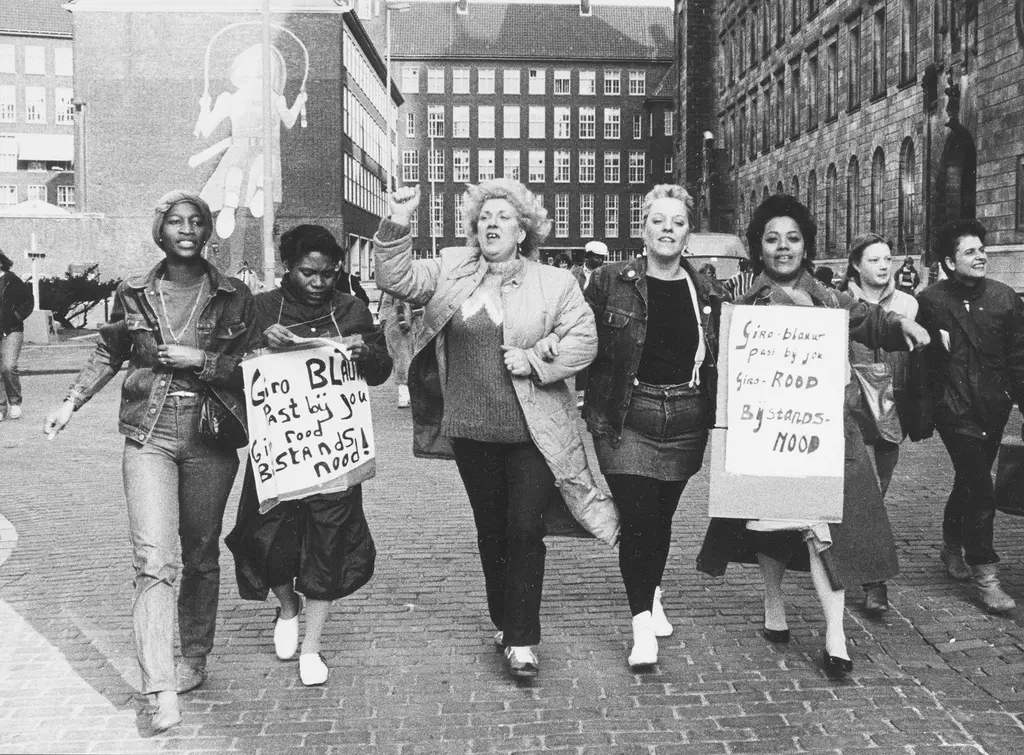
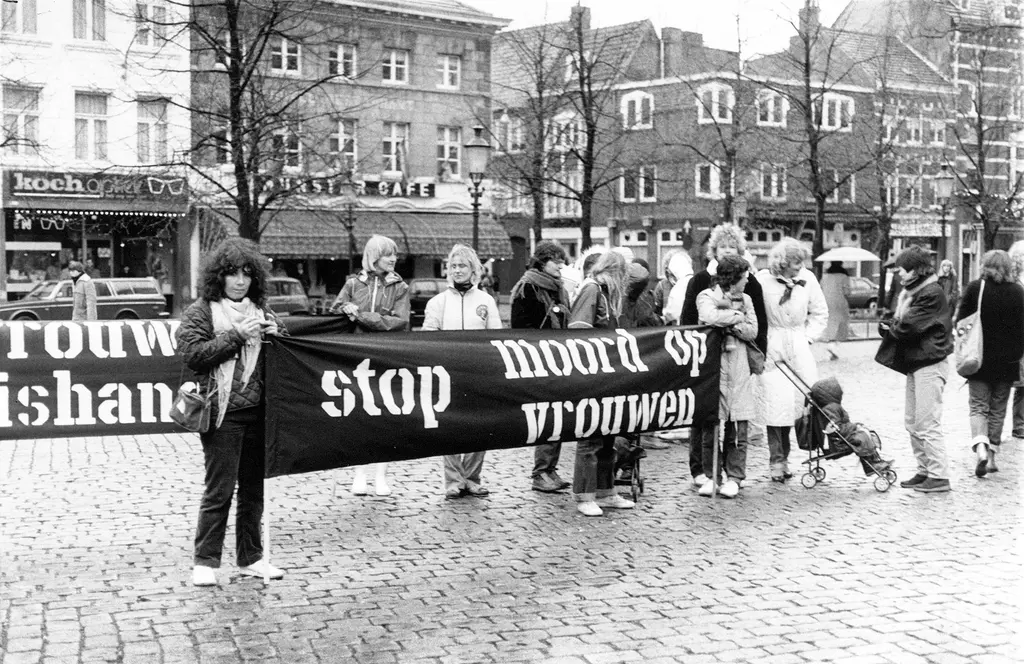
Photo top: Demonstration during International Women's Day celebrations, 1982, photographer: Ine van den Broek, IAV-Atria Collection
Related publications
Publications
15 April, 2025
The role of sexual orientation in bi+ women's experiences of sexual violence
Genderrelated violence
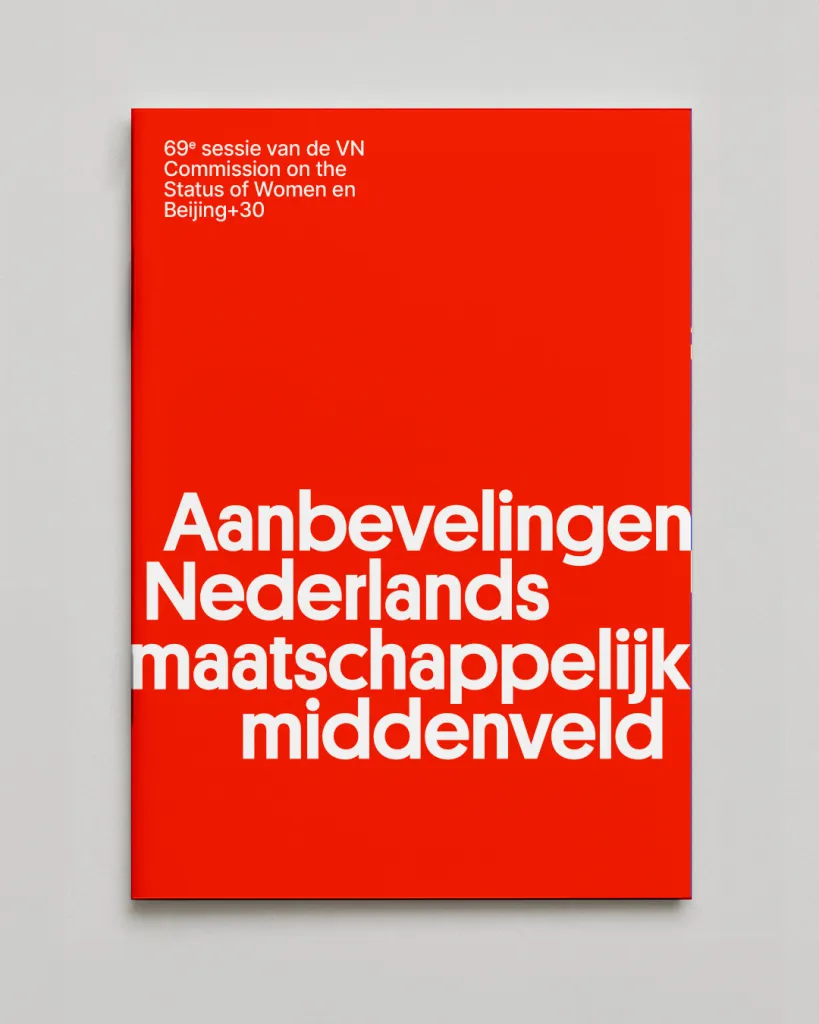
Publications
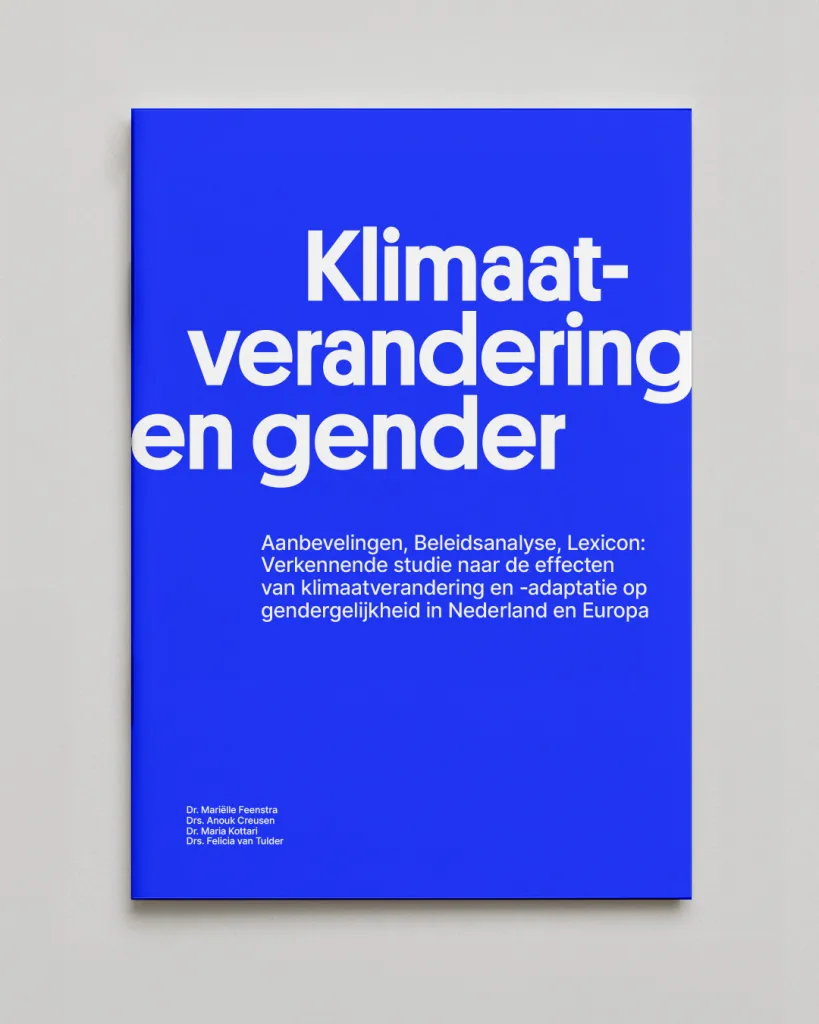
10 February, 2022
The effects of climate change and adaptation on gender equality in the Netherlands and Europe
Economic inequality

Themes
As an independent knowledge institute, Atria bridges the gap between research and social change.
Our themes are: feminism, self-determination, gender stereotyping, economic inequality, gender-based violence. View our knowledge and expertise per theme.