Selma Leydesdorff was born on 7 November 1949 in Jakarta and died on 6 October 2025 in Amsterdam. She was a prominent historian and professor emeritus at the University of Amsterdam (UvA), internationally recognised as a pioneer in the field of oral history. Her work is considered pioneering.
Selma Leydesdorff was born on 7 November 1949 in Jakarta and died on 6 October 2025 in Amsterdam. She was a prominent historian and professor emeritus at the University of Amsterdam (UvA), internationally recognised as a pioneer in the field of oral history. Her work is considered pioneering.
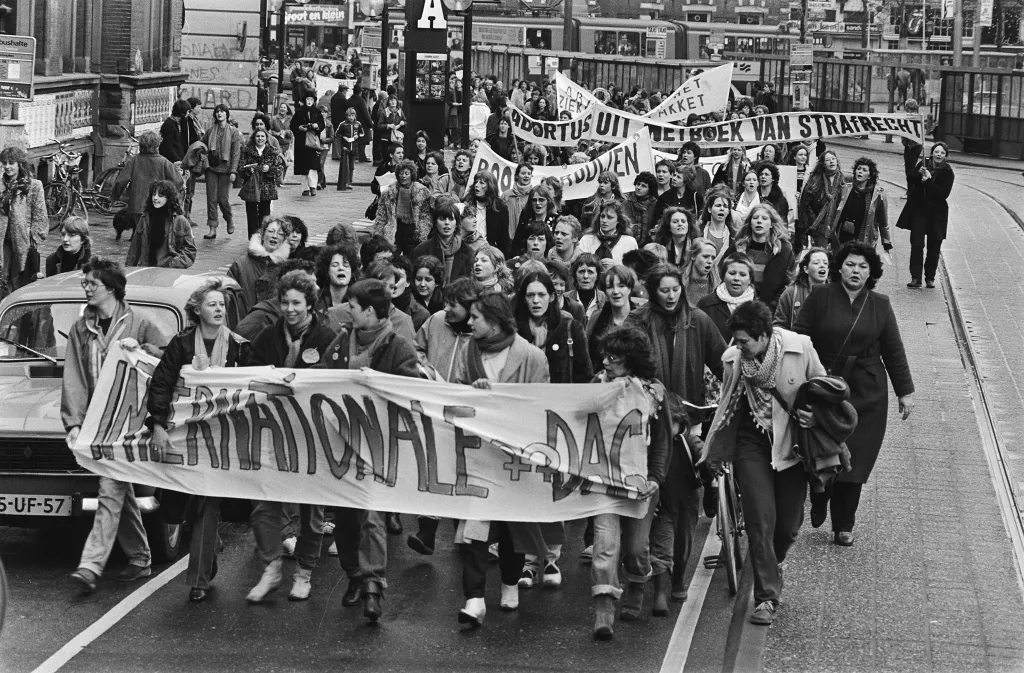
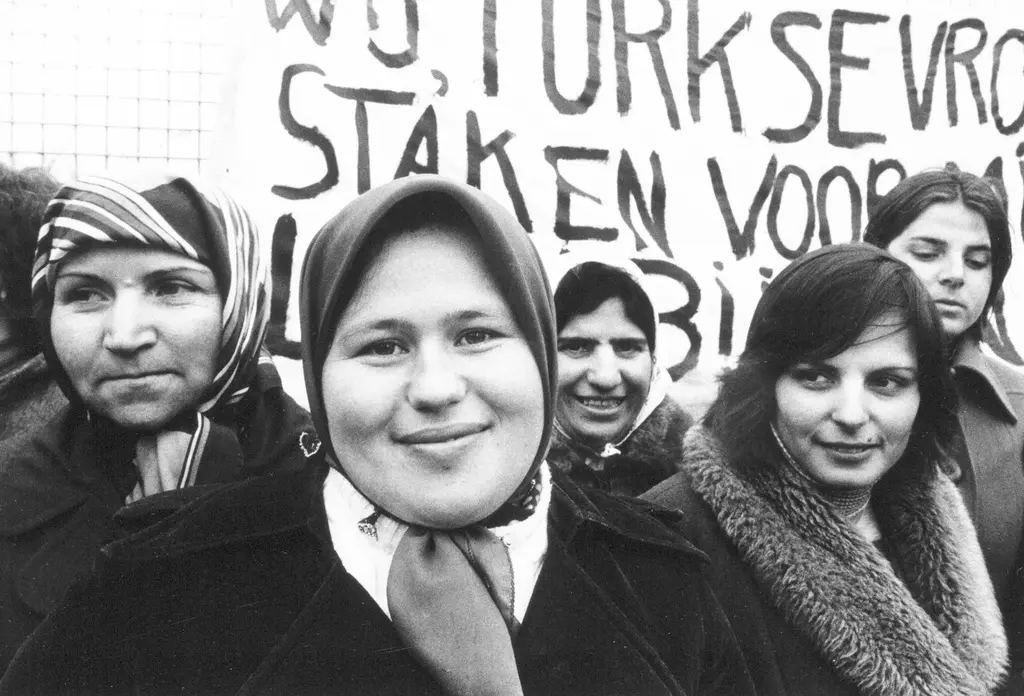
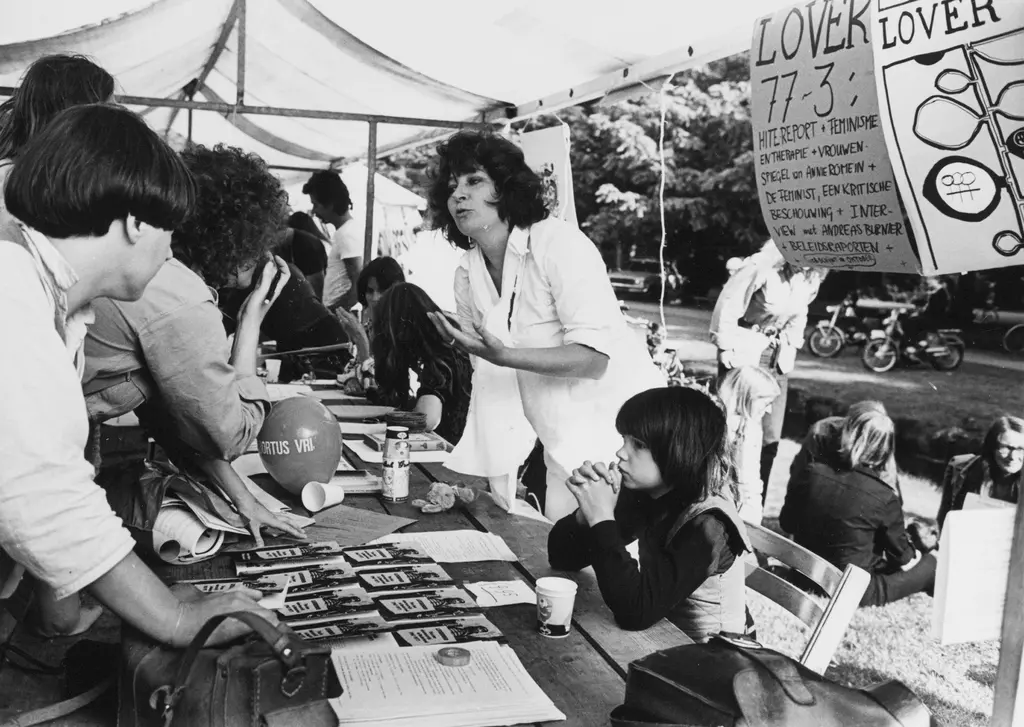
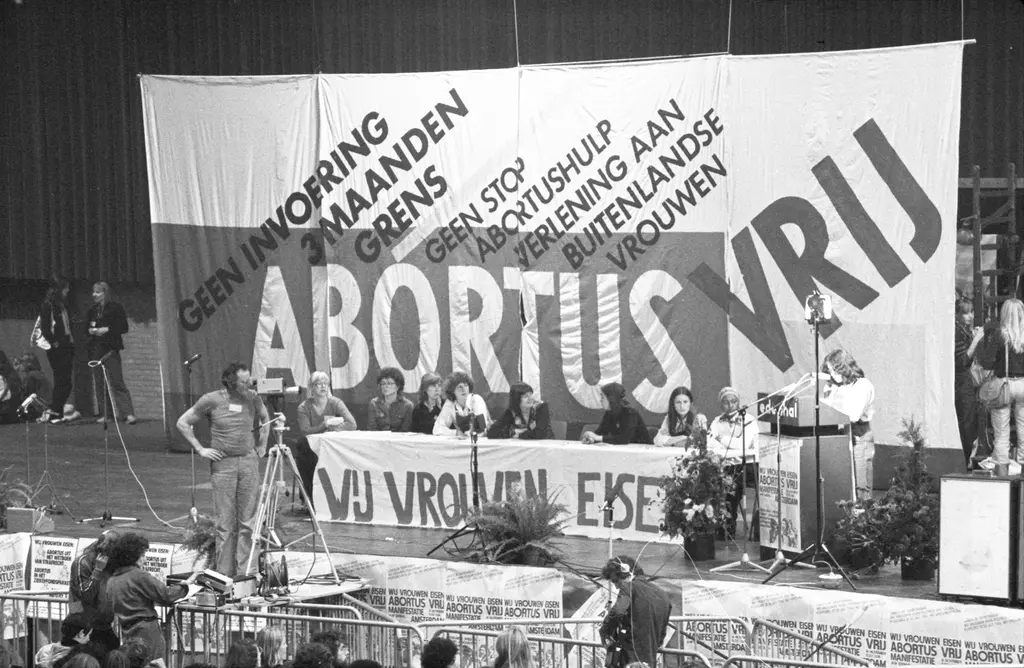
Selma Leydesdorff's interest in forgotten and repressed histories arose early on, partly due to awareness of war trauma within her family. In the 1960s and 1970s, she was active in the student movement and feminist circles, which made her aware of the absence of women in official historiography. Leydesdorff was closely involved in the feminist action group Dolle Mina. She was also instrumental in the creation of Wij Vrouwen Eisen (We Women Demand). In the 1980s, she chaired the board of the National Foundation Information and Documentation Centre for the Women's Movement (IDC), one of the precursors of Atria.
Leydesdorff studied modern history in Florence and graduated in 1972. From 1976, she was attached to the Documentation Centre for New History at the UvA. She founded the Association for Historical Oral Documentation in 1979 and co-founded the Yearbook of Women's History (1980). In 1992, she became professor of women's history at the Belle van Zuylen Institute, and in 2004 professor of oral history and culture at the Faculty of Humanities of the UvA.
Oral History
Leydesdorff's academic field of activity was the systematic collection and reporting of individual experiences through oral history interviews, and the development of methodologies for and theorising about this form of historical research. Her speciality was bringing to the surface invisible, repressed or (consciously) undescribed parts of history and trauma.
Her dissertation in 1987 was on poor Jews in Amsterdam (1900-1940) and she published on the 1953 Watersnoodramp in the Netherlands through oral tradition of those involved. Starting in 2000, she travelled many times to Bosnia to record stories of survivors of the Srebrenica genocide and to draw attention to specific war violence against women.
"Oral tradition is an important historical source. People's experiences, their subjective experiences, in addition to actual events, is also a part of history. A beautiful part, because it is about feelings, and that is still too often forgotten."
Selma Leydesdorff played a key role in the development of oral history in the Netherlands and internationally, with numerous publications, guest lectures and editorial work. Among other things, she co-founded and edited the International Yearbook of Oral History and Life Stories for many years. In De mensen en de woorden: geschiedenis op basis van verhalen (2004), she describes key experiences with oral history. She was editor of the Handbook of Global Oral History to be published in late October 2025.
Leydesdorff retired in 2017, but her influence on the field lived on.
Archival material
Atria received archive material from Selma Leydesdorff in the 1980s and included it in the collection. These include pieces on Dolle Mina (1970-1971), feminism and socialism (1974-1975), and the Feminist Publisher Sara (1977).