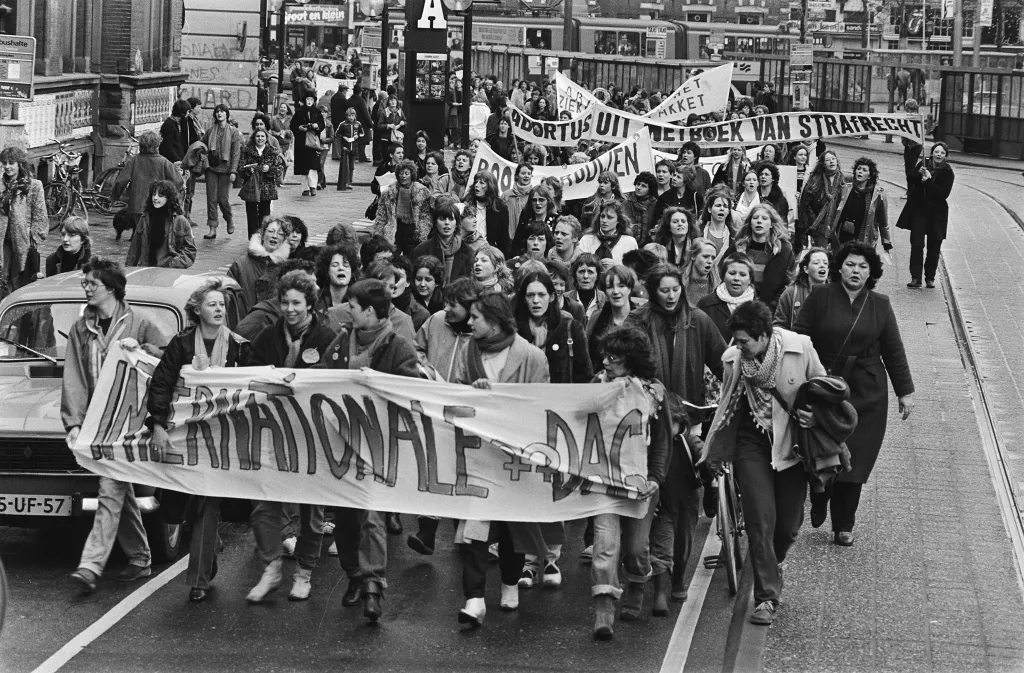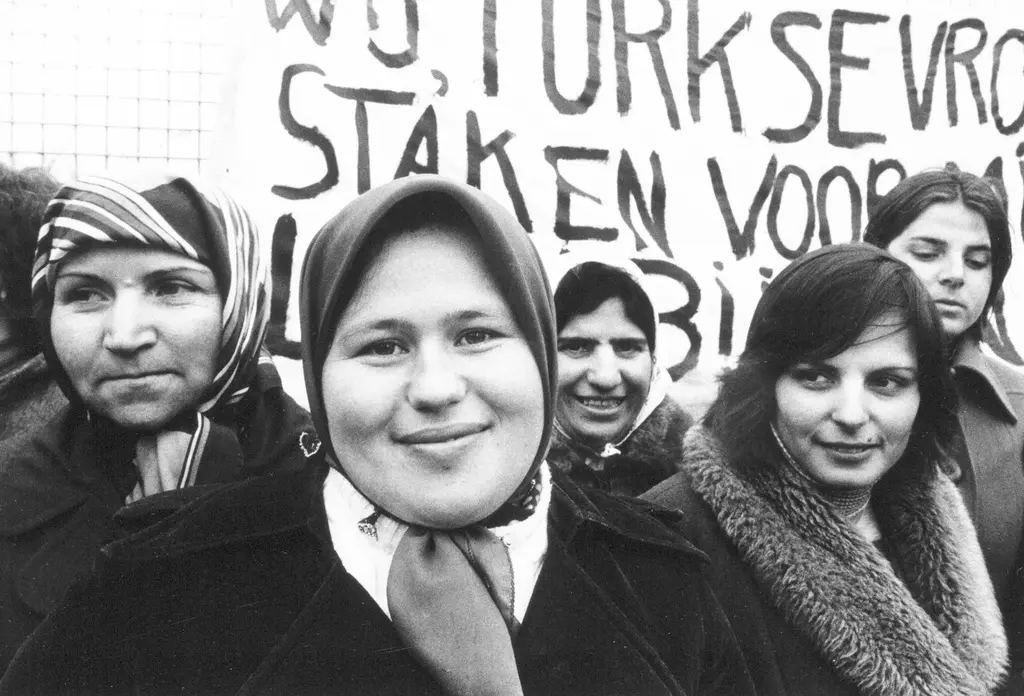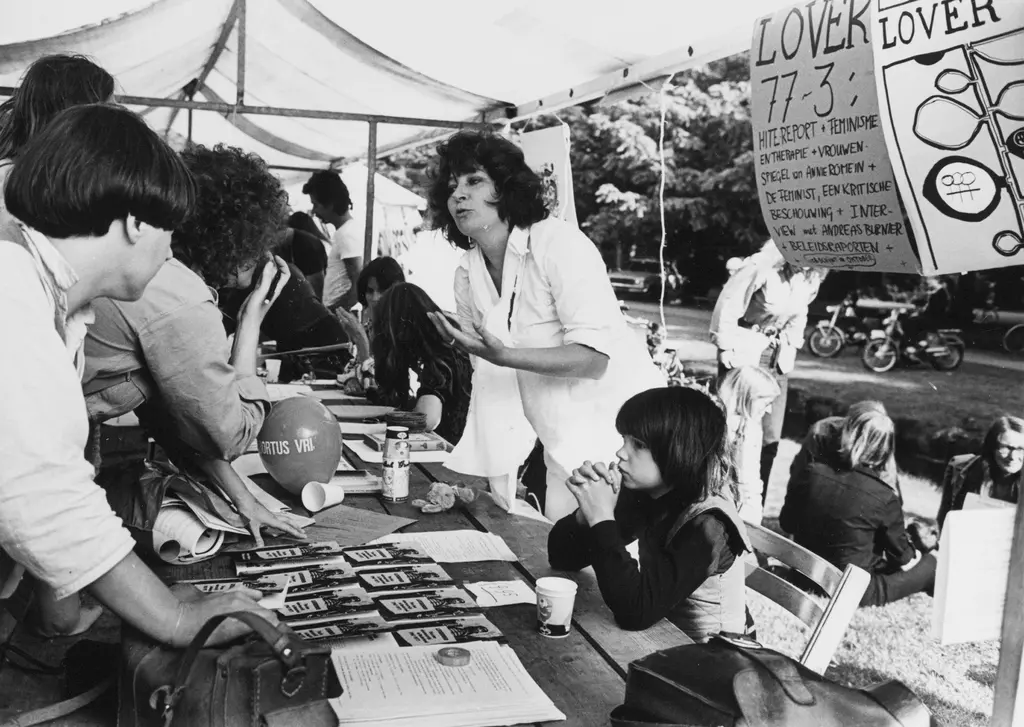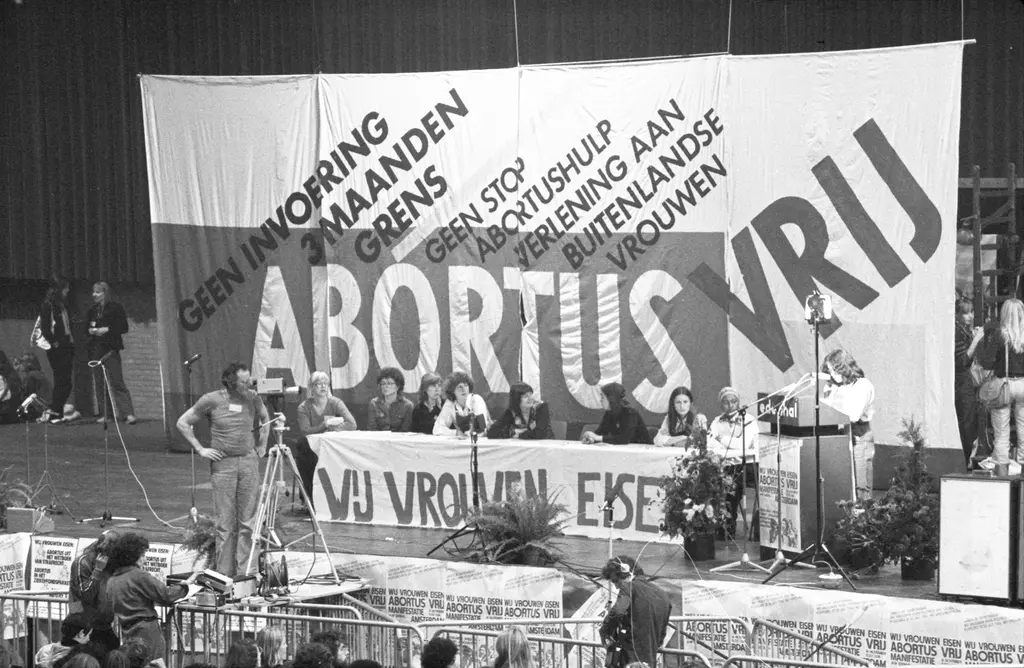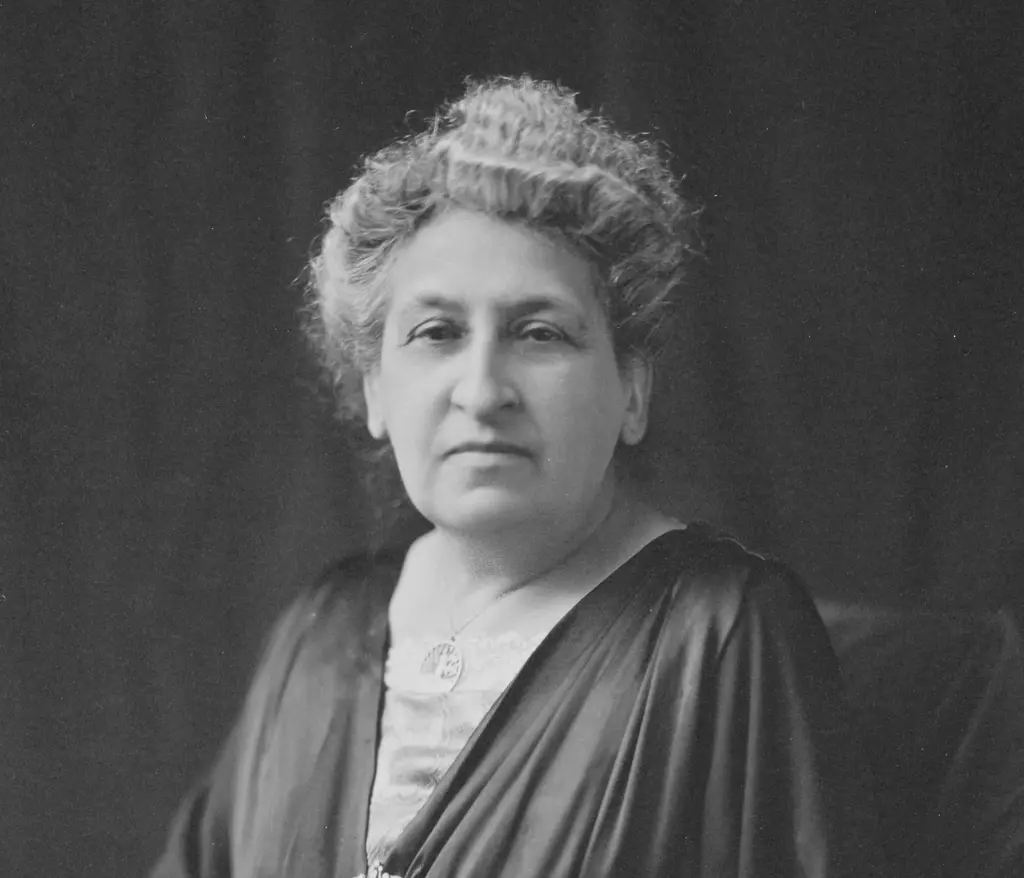
Since October 2017, archief van Aletta Jacobs has been recognised as a UNESCO heritage site and included in UNESCO Memory of the World. Aletta Jacobs is the Netherlands' most famous and prominent feminist. The Aletta Jacobs archive is located at Atria and showcases images, objects and documents of the Dutch and international struggle for women's rights.
Since October 2017, archief van Aletta Jacobs has been recognised as a UNESCO heritage site and included in UNESCO Memory of the World. Aletta Jacobs is the Netherlands' most famous and prominent feminist. The Aletta Jacobs archive is located at Atria and showcases images, objects and documents of the Dutch and international struggle for women's rights.
Through UNESCO Memory of the World, UNESCO promotes the preservation and accessibility of documentary heritage. Heritage that is authentic, unique, irreplaceable and of world significance. Inclusion in UNESCO's Memory of the World gives the Aletta Jacobs archive the protected status and appreciation it deserves.
Aletta Jacobs archive
In the letters addressed to Aletta Jacobs, the suffrage struggle is most prominently represented in the archive. The letters come from international feminists such as Carrie Chapman Catt, Anna Howard Shaw, Emmeline Pankhurst and Olive Schreiner, among others. From the period of the International Congress of Women (1915) in The Hague, the archive contains correspondences with Emily Balch, American economist and pacifist who won the Nobel Peace Prize in 1946 for her work in the Womens International League for Peace and Freedom (WILPF), among others. Jacobs also corresponded with Jane Addams, American social worker, co-founder of WILPF and winner of the Nobel Peace Prize (1931). Also interesting are correspondence with Emily Hobhouse (English journalist and human rights activist). In addition, there are eighty letters from 1920, written by women and a single man from America and Canada asking for information and help on birth control.
Other documents and objects from the archive tell of the struggle for access to higher education and the medical profession. But also the rights of prostitutes, reproductive rights of women and the role of women in political peace movements.
The archive of Aletta Jacobs has been digitised, making it accessible from around the world.
View the archive of Aletta Jacobs.
Lost archive
Atria's predecessor, the International Archive for the Women's Movement (IAV), was founded in 1935. In 1940, the IAV was closed by the German occupying forces and all its contents taken away. Fortunately, part of Aletta Jacobs' archive had been moved to safety in a bank vault. In 1992, a Dutch researcher and Eastern Europe and Russia specialist stumbled upon the stolen IAV material in Moscow. This turned out to have been taken to Moscow by the Red Army. Since 2003, this archive material has been back with Atria. Some ten letters from Aletta Jacobs, several articles, the English-language manuscript of her Memoirs, an album of her trip to Budapest in 1906 and a travel visa from 1915 had been recovered.
UNESCO Memory of the World
Through its Memory of the World programme, UNESCO promotes the preservation and accessibility of documentary heritage of exceptional value. Atria submitted the nomination with support from the University of Groningen and the Sophia Smith Collection, a US archive institution.
UNESCO Memory of the World