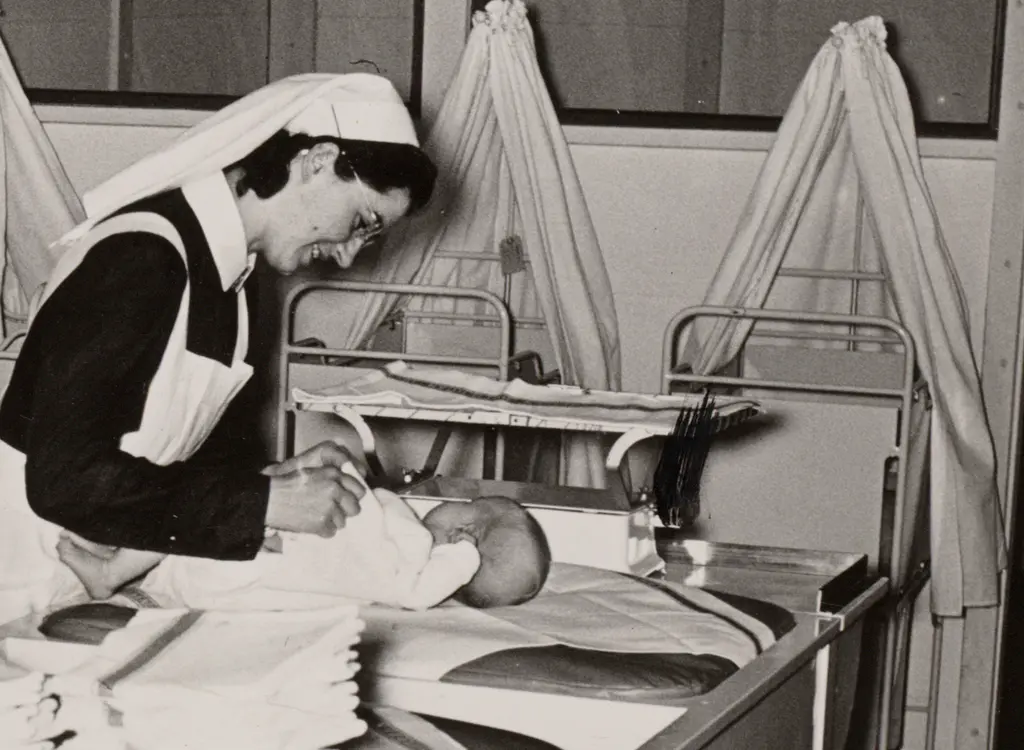
On Thursday 2 July 2026, the government in The Netherlands apologised for the state’s role in the relinquishment of children and adoption in the past. For thousands of mothers, relinquished children, fathers, adoptive parents and others affected, this marks an important moment of recognition. Atria conducted research into the experiences of people involved in domestic relinquishment and adoption.
On Thursday 2 July 2026, the government in The Netherlands apologised for the state’s role in the relinquishment of children and adoption in the past. For thousands of mothers, relinquished children, fathers, adoptive parents and others affected, this marks an important moment of recognition. Atria conducted research into the experiences of people involved in domestic relinquishment and adoption.
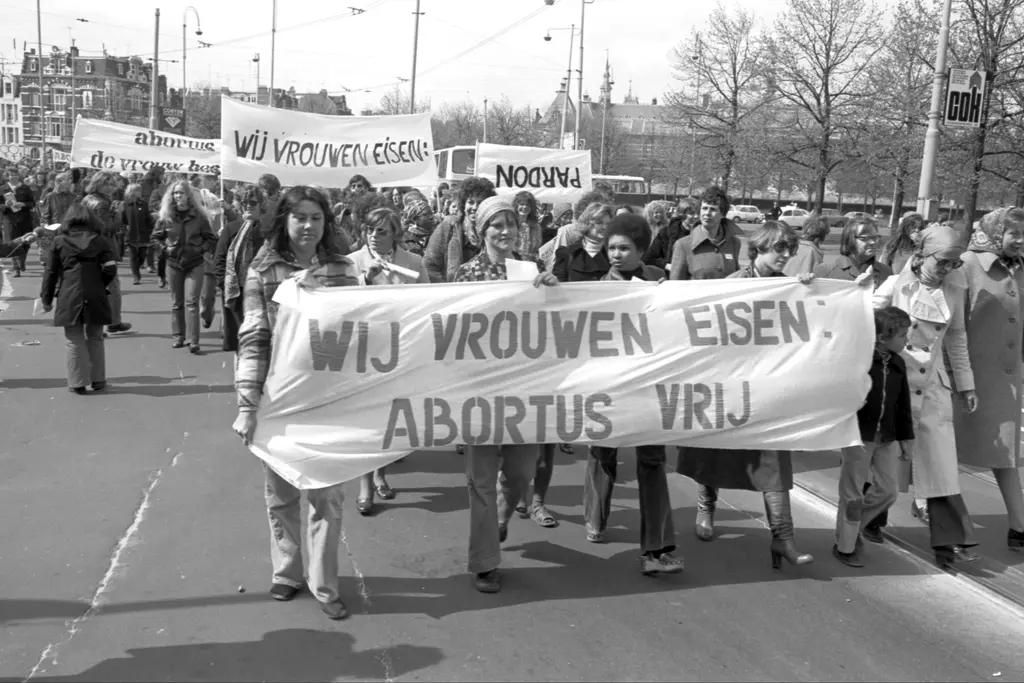
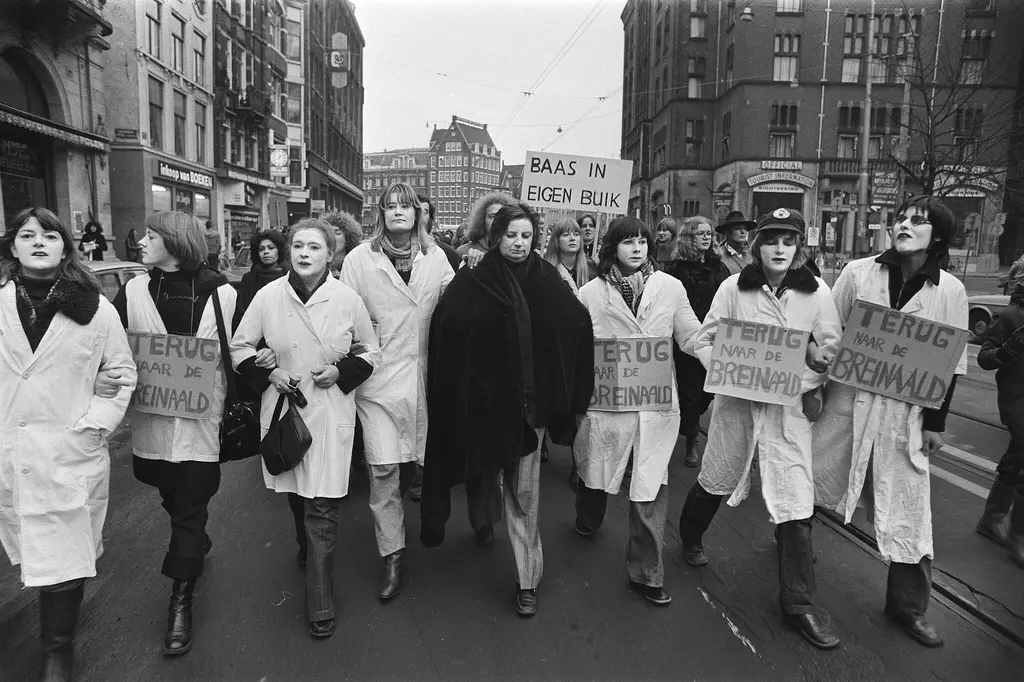
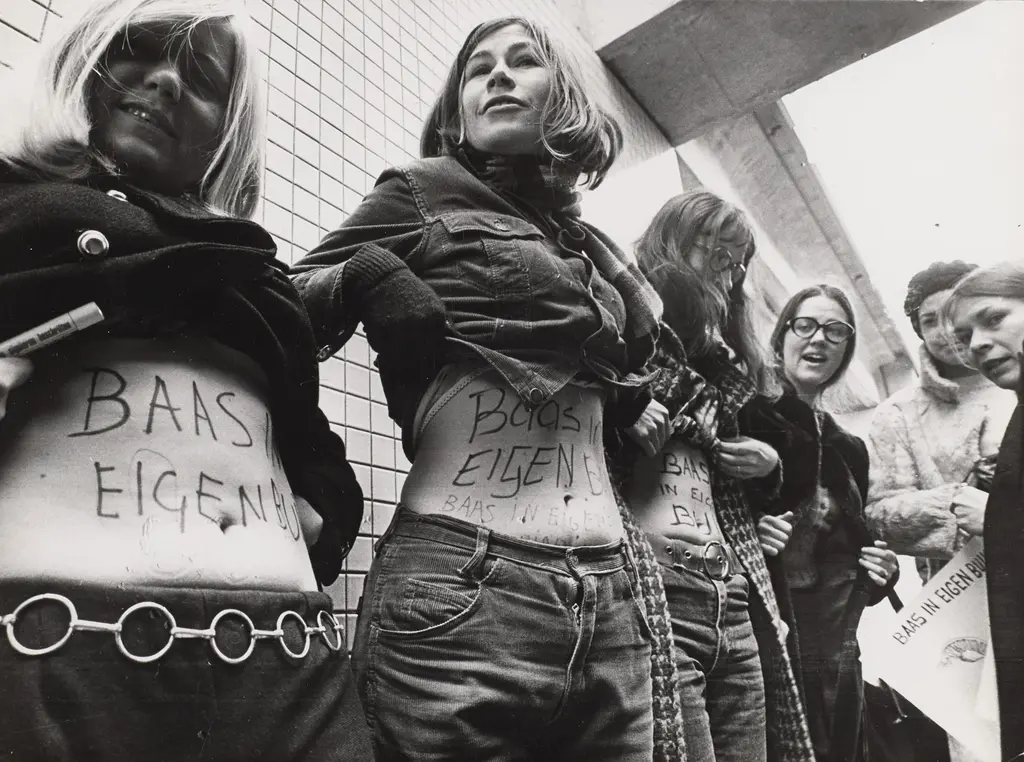
Between around 1956 and 1984, many unmarried women faced considerable social pressure to give up their children. The choices made at that time were made within a society in which single motherhood was strongly frowned upon and in which the interests and wishes of those involved were not always the primary consideration. For many people, these events have had a lifelong impact.
The government’s apology acknowledges the suffering experienced by many and the role played in this by social attitudes, government policy and the relevant authorities. For some, this day marks an important step in coming to terms with the past.
These apologies did not come out of the blue. They were made possible in part thanks to the years of dedication by birth mothers, those given up for adoption, advocacy groups and other stakeholders who continued to draw attention to the consequences of domestic relinquishment and adoption.
Research reveals a lasting impact
Atria investigated the experiences of people involved in domestic separation and adoption. The research focused on women who have given up a child, fathers whose child has been given up, people who were given up as children, adoptive parents and their loved ones.
The research shows that relinquishment and adoption have had profound and long-lasting consequences for many of those involved. Many women describe the relinquishment of their child as one of the most life-changing events in their lives. Feelings of loss, grief, guilt and shame often continued to affect them for years afterwards. Many fathers, too, look back on a period during which they had little influence over events. Feelings of powerlessness, grief and regret regularly emerge in their accounts.
People who were given up for adoption as children describe how questions about their origins, identity and sense of belonging have shaped their lives. For many, the circumstances surrounding their birth and early years have had a lasting impact.
Furthermore, the research shows just how great the influence of the social norms and values of that time was. Unmarried motherhood was often frowned upon, and many of those involved felt pressure to remain silent about what had happened. According to participants, religious beliefs and the actions of the authorities involved also played an important role. At the same time, the research makes it clear that experiences varied greatly. Some people received guidance or support, whilst others received hardly any. It is precisely these differences that many of those involved perceive as significant.
Read the summary of the study
At the bottom of this page, you will find a PDF containing a summary of the Atria study (in Dutch). It provides a more detailed description of the key findings, background information and experiences of those involved.