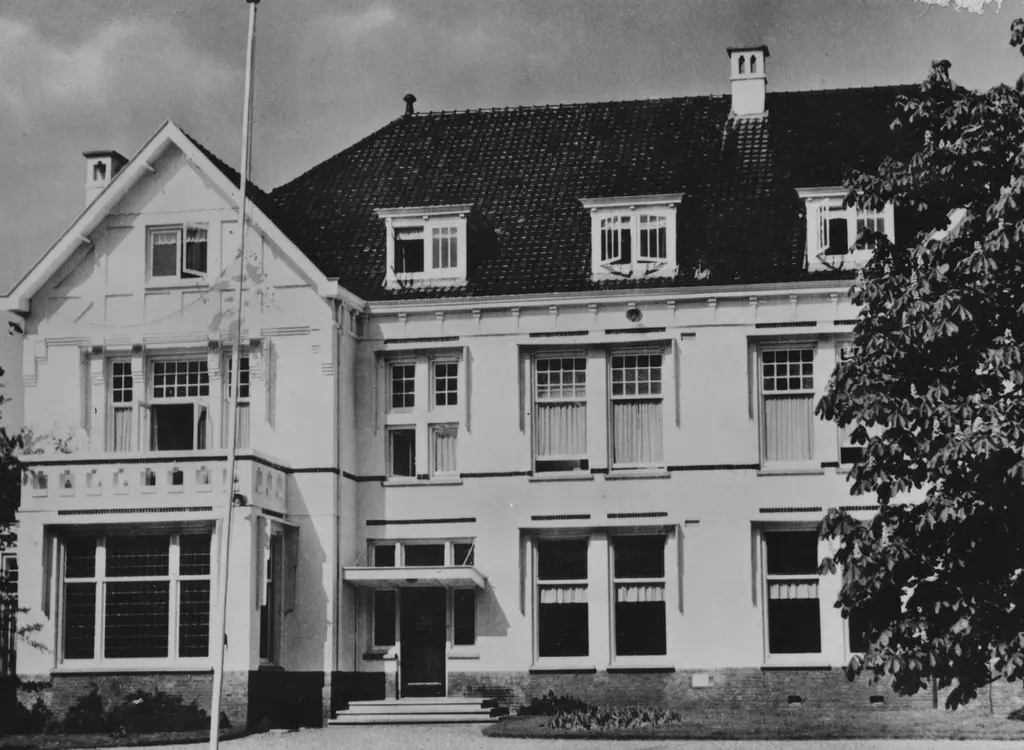
In the run-up to National History Month 2026 in the Netherlands, essayist Suzanna Jansen is calling for stories about ‘overworked’ women from the 1950s and 1960s to be unearthed. Atria is collecting these personal histories and ensuring they are preserved for future research.
In the run-up to National History Month 2026 in the Netherlands, essayist Suzanna Jansen is calling for stories about ‘overworked’ women from the 1950s and 1960s to be unearthed. Atria is collecting these personal histories and ensuring they are preserved for future research.
In October, during National History Month, the theme ‘Body & Mind’ takes centre stage. The history of the body is not just about medical progress or illness, but also about the way people in different eras viewed health, ailments and behaviour. This year’s essay ties in seamlessly with this theme. Writer and essayist Suzanna Jansen delves into the forgotten history of rest and convalescent homes for ‘overworked’ women.
‘Overworked’ and sent to a rest home
In the essay *Project RUST* , Suzanna Jansen examines how, in the 1950s and 1960s, many mothers and housewives were unable to cope and were often diagnosed as ‘overworked’. They were tired and had vague symptoms. The remedy: relaxation in a convalescent home. To provide the prescribed rest, convalescent homes were set up throughout the Netherlands for ‘overworked’ housewives. Suzanna Jansen read their letters and spoke to their children. She heard how young girls were taken out of school to take over their mothers’ duties, whilst other children ended up in boarding schools.
The essay – written for National History Month – will be published at the end of September 2026 and will be available in bookshops throughout October.
"My mum was in a much worse state when she left that care home than when she went in."
RUST Project Research
Although many women have shared their experiences, little is still known about the rest and convalescent homes for women. That is why Suzanna Jansen, Atria and National History Month are inviting people to share their memories and stories.
The information (which is collected anonymously) is gathered by Atria, Institute for Gender Equality and Women’s History, and made available for further research in the future.
Who is it for?
The research concerns anyone who was admitted to rest homes in the Netherlands in the 1950s and 1960s:
Women who were discharged due to burnout
Children of these women
Partners, family members, friends or acquaintances of women who were admitted to a rest home
People who worked in a rest home or who know someone who worked in a rest home
Family carers or people who have had a family carer living with them
Do you have anything to share on this topic? If so, we’d love to hear more about your experiences or the information you have. You can find further information and the questionnaire on this page on the National History Month website.
Lectures by Suzanna Jansen
Would you like to find out more about the history of asylums for ‘mentally disturbed’ women? Then come along to one of the lectures Suzanna Jansen is giving during National History Month (in Dutch).