Atria manages, collects and shares the heritage of women’s movements, thereby telling stories that can teach us something about the present. For example, we learn an important lesson from the women at the cigar factory in Nieuwe Pekela. In 1969, they refused to be denied equal pay. The same applies to the gender pay gap today. Part of that gender pay gap could be explained by part-time work or differences in pay across sectors. But if we want to close the gender pay gap in the Netherlands, we must not only ensure equal pay for equal work, but also take a critical look at how we divide up work and care responsibilities.
Atria manages, collects and shares the heritage of women’s movements, thereby telling stories that can teach us something about the present. For example, we learn an important lesson from the women at the cigar factory in Nieuwe Pekela. In 1969, they refused to be denied equal pay. The same applies to the gender pay gap today. Part of that gender pay gap could be explained by part-time work or differences in pay across sectors. But if we want to close the gender pay gap in the Netherlands, we must not only ensure equal pay for equal work, but also take a critical look at how we divide up work and care responsibilities.
An extra tenner
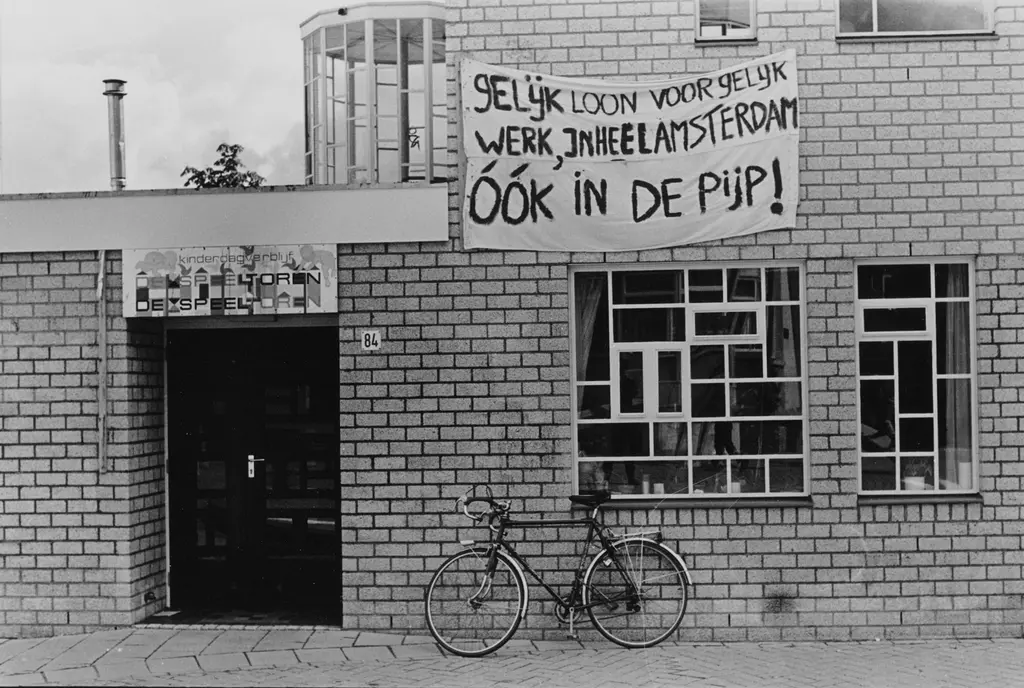
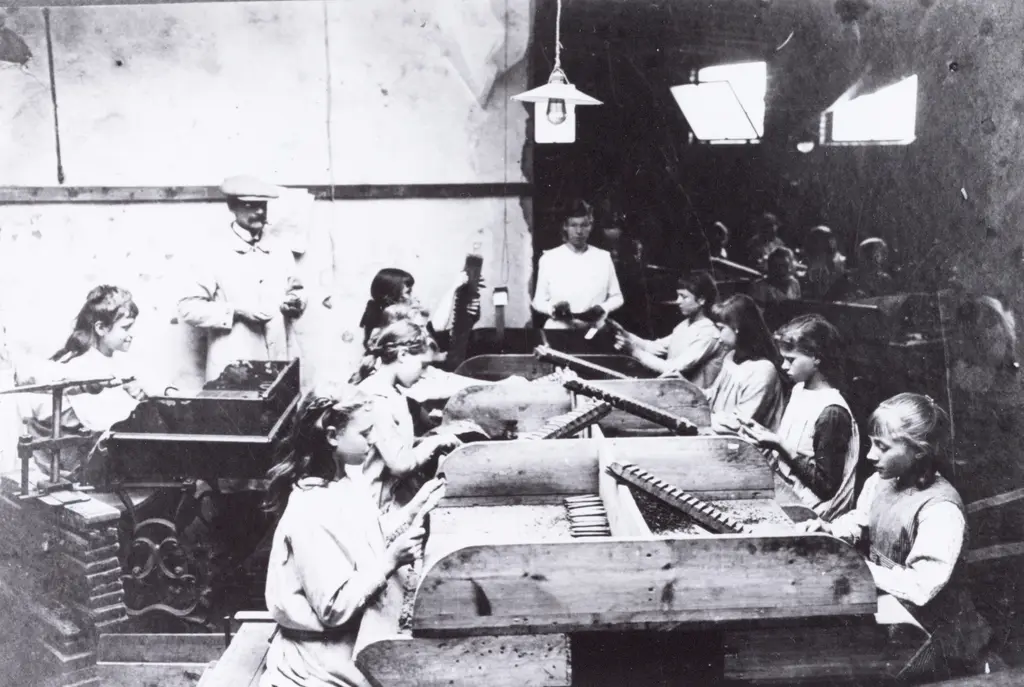
It was pure coincidence that Grietje Schoonhoven discovered that her male colleagues at the Champ Clark cigar factory in Nieuwe Pekela were earning an extra ten guilders. As she walked past the men’s workshop, she overheard something about a pay rise. Grietje decided to ask straight away exactly what was going on. Reluctantly, one of her colleagues admitted that the male factory workers had been receiving an extra ten guilders a week for several months. The dozens of female factory workers received nothing. Furious, Grietje informed her female colleagues. The women took their case to the factory management, but they were fobbed off. That ten-guilder pay rise was justified, they were told. After all, didn’t the men do heavier work? Nonsense, the women thought. They decided it was time for radical action.
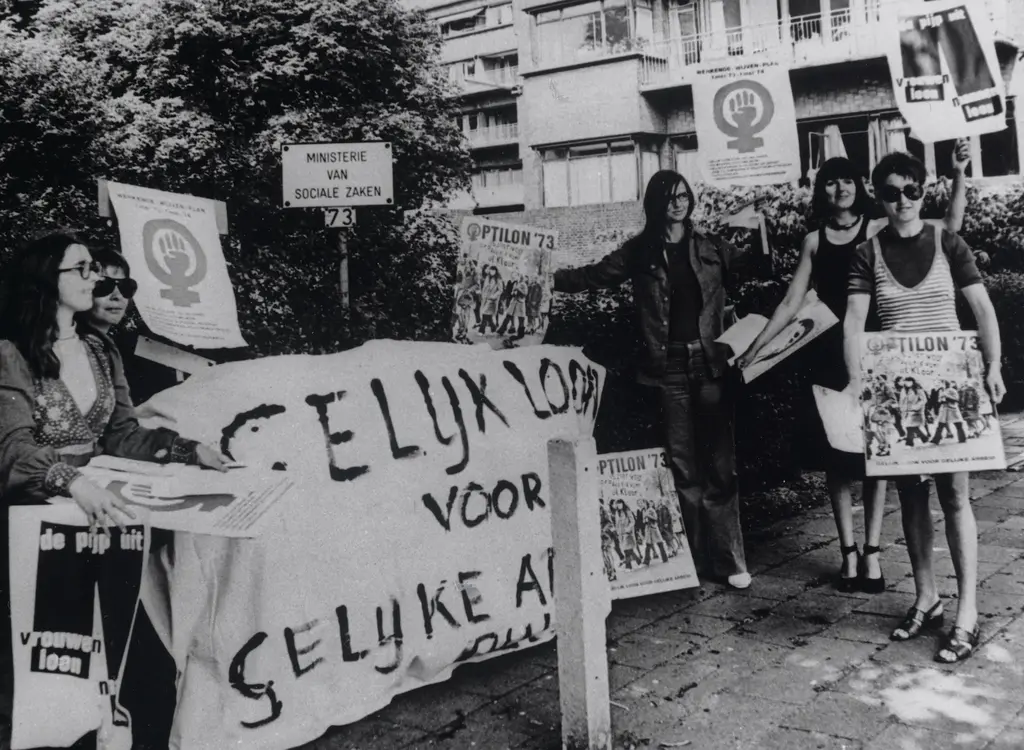
A situation like the one at the cigar factory in Nieuwe Pekela, where women earn less than men for the same work, is now prohibited. This is because the Equal Pay Act was introduced in 1975. Since then, employers have been obliged to pay men and women the same wage for the same work.
According to some, the problem of the gender pay gap in the Netherlands is therefore no longer such an urgent issue. After all, the fact that women earn less on average is also because they are more likely to work part-time, or in lower-paid sectors such as the care sector. This is true in fact, but not the whole story. The lesson taught to us by the women of Nieuwe Pekela still holds true: do not be too easily fobbed off with arguments that seem reasonable at first glance.
The start of the wildcat strike
Grietje Schoonhoven and her colleagues weren’t going to let it go. In 1969, the female workers at Champ Clark in Nieuwe Pekela walked out. This marked the start of the very first ‘wildcat’ women’s strike (a strike organised outside the trade union). Before long, the whole country was watching to see what was happening in the far north. Would the women also be paid an extra ten guilders?
Since the 1975 Act, the Dutch government has been committed to eliminating pay discrimination based on gender. To check whether the government is succeeding in this, Statistics Netherlands (CBS) measures the state of equal pay. In the 2018 Monitor on Pay Gaps between Men and Women*, they calculate an average ‘unexplained’ pay gap between women and men. This calculation adjusts for ‘explanations’ for the pay gap between women and men, such as the fact that women are more likely to work part-time and in low-paid sectors. The resulting percentage expresses how much more men earn on average for equal work under equal conditions. This gap – 4% in the public sector and 7% in the private sector in 2021 – remains significant, but is narrowing slightly with each measurement.
An Unequal Start
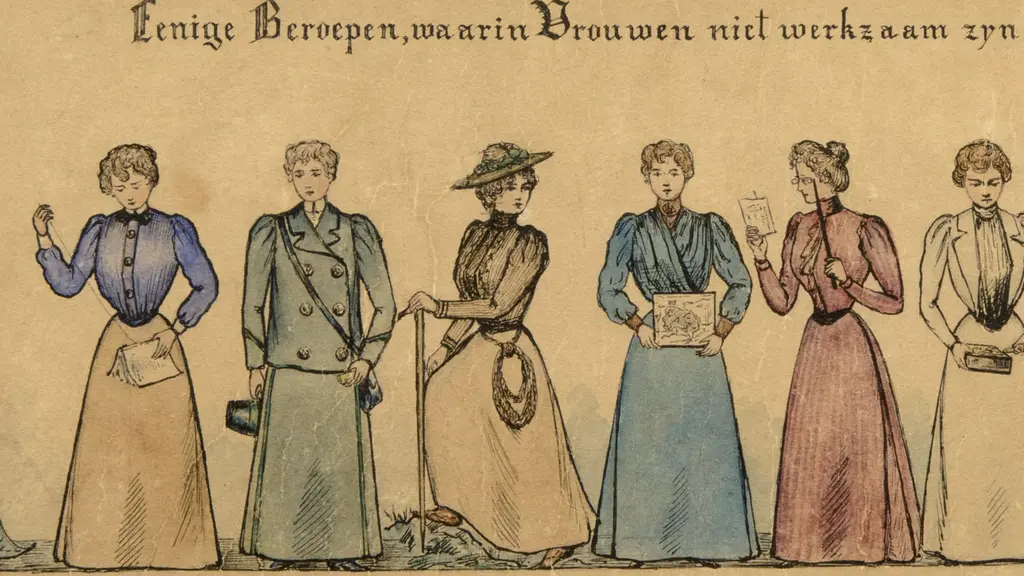
But the long-standing struggle for equality teaches us that society is inherently structured in an unequal way. For instance, the fact that women are more likely to work part-time cannot be viewed in isolation from our social structures. Mothers, in particular, are responsible for bringing up children, which means they are more likely to work part-time. And in sectors where many men work, such as construction and ICT, it is far less common to work part-time than in sectors where many women work, such as healthcare and education.
The same applies to many other ‘explanations’ for the pay gap. Women earn less because they work in low-paid sectors – which is also a consequence of unequal valuation of work. Women earn less because they are less likely to hold top positions – which is also a consequence of the stereotypical image of male leadership. And women earn less because they have less extensive CVs – which is also because, after pregnancy, they are expected to take on the responsibility of bringing up their children. All these structural explanations for the pay gap are lost in the unexplained pay difference calculated by Statistics Netherlands (CBS). If we want to know how we can close the gender pay gap once and for all, we must look specifically at the unadjusted pay gap: the average difference between men’s and women’s pay.
What is equal work?
Being aware of structural inequalities between women and men is known as gender sensitivity. Gender sensitivity shows that gender-neutral solutions, such as equal pay for equal work, are not always fair solutions.
For example, we know that the more women there are working in a sector, the lower the wages in that sector tend to be. That is no coincidence. The Atria research report Free to Choose revealed that men are more strongly influenced by gender stereotypes (behaviours, attitudes, thoughts and emotions that are considered appropriate or characteristic of a person based on their gender) when choosing a course of study. For example, the stereotype dictates that men must earn a lot. Young men act on this by choosing a course of study and a job that will later earn them a higher salary.
Furthermore, skills that we regard as ‘masculine’ are generally valued more highly than those we see as ‘feminine’. For instance, little value is attached to bringing up children or providing informal care. Due to ingrained gender roles within families, it is often women who end up shouldering this unpaid work. Research by the SCP shows that women often switch to part-time work after having a child and continue to do so, even when the children require less care. These women carry out a great deal of unpaid work that does not appear on their CVs, causing them to fall behind men. The question is: do these women really do less important work? The 1975 Act states that ‘equal work’ must be equally remunerated. But who actually determines what ‘equal work’ is?
More than an extra tenner
The women in Nieuw Pekela got what they deserved: the management relented and paid female and male factory workers equally. That is how the gender pay gap in Nieuw Pekela was closed. Across the Netherlands as a whole, we still have a long way to go. Whereas the women at the cigar factory were entitled to an extra tenner, we have to bridge a gap of three hundred thousand.
*For more recent figures: Gender Pay Gap Monitor, 2024