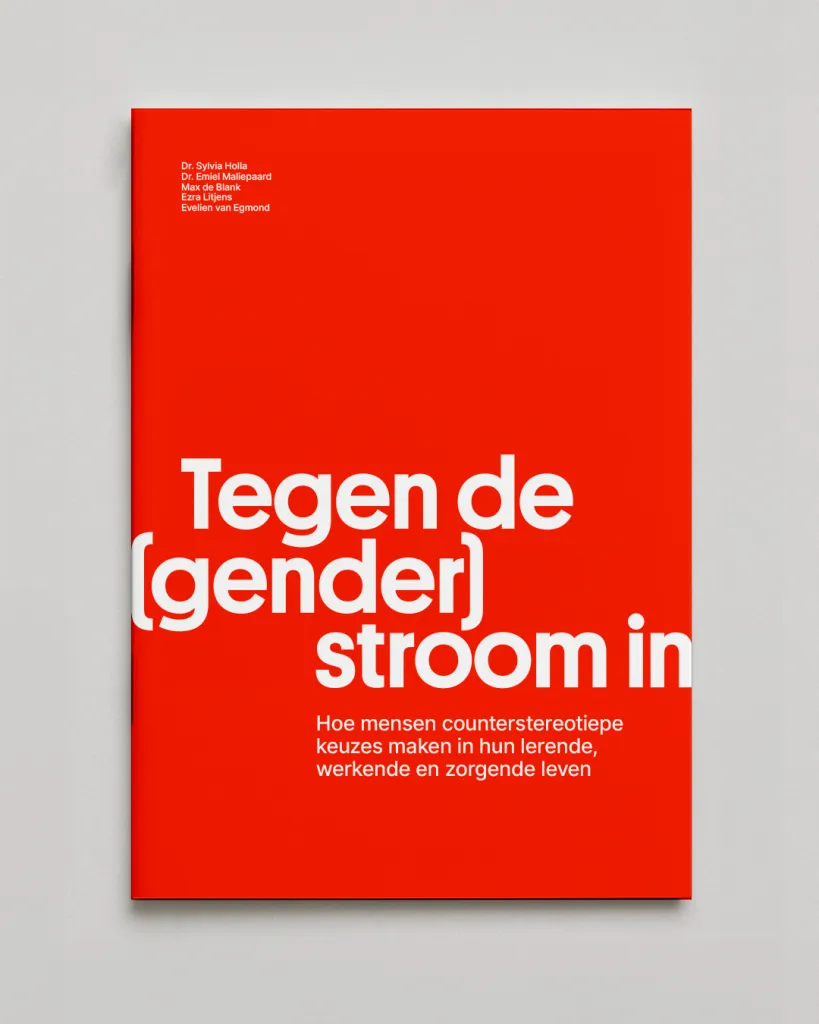
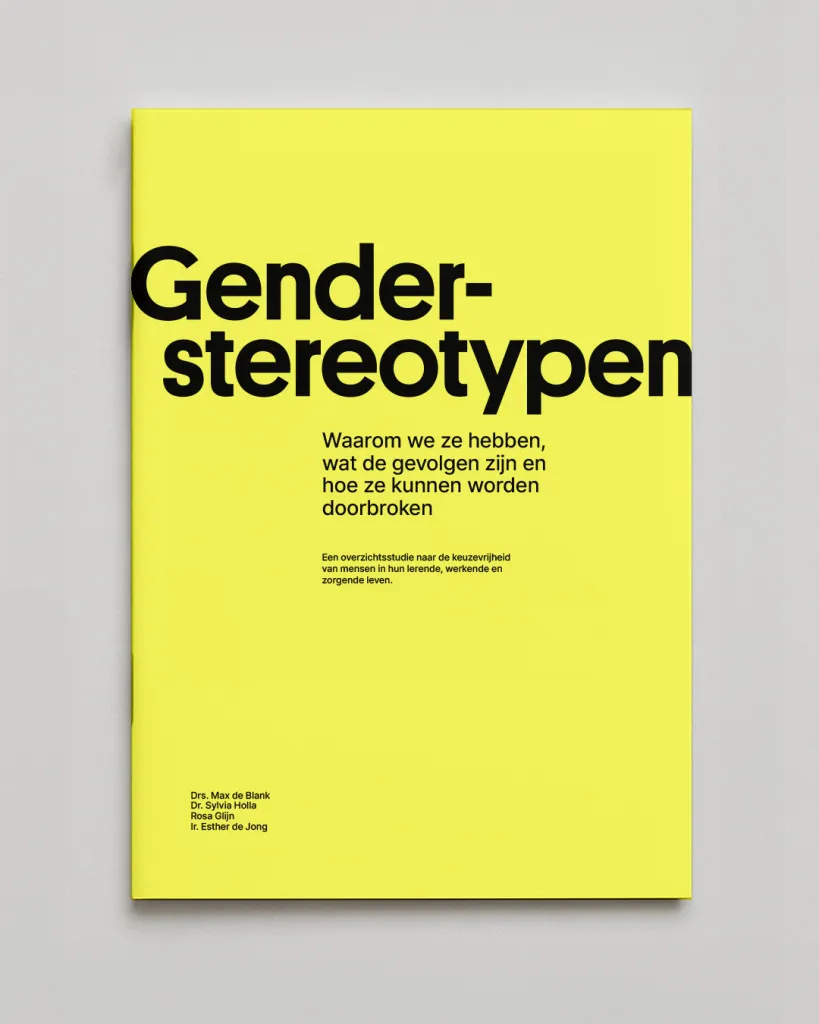
Research on the role of teachers in the sexual development of schoolchildren. The low rating of sex education, the small proportion of young people who dare to 'come out of the closet' and the signal that teachers have difficulty discussing sexual diversity, together with questions about how teachers deal with sexually transgressive behaviour, (unwanted proliferation of) sexting and gender norms, prompt the study.
Research on the role of teachers in the sexual development of schoolchildren. The low rating of sex education, the small proportion of young people who dare to 'come out of the closet' and the signal that teachers have difficulty discussing sexual diversity, together with questions about how teachers deal with sexually transgressive behaviour, (unwanted proliferation of) sexting and gender norms, prompt the study.
Development of sexuality
High school is an important environment for the development of sexuality. It is where young people spend a lot of time together. They meet new people, measure themselves against others and develop their own identity. For many, it is where they learn about sexuality and meet their first boyfriend or girlfriend. Forming a sexual identity and experimenting with sexual behaviour, therefore, cannot be separated from the pedagogical processes central to school. In the core objectives of primary education, secondary education (junior grades) and special education, sexuality features in several places. For instance, the core objectives require pupils to learn about respectful handling of sexuality, including sexual diversity. However, teachers indicate that they find it difficult to discuss sexual diversity in their classes.
Sexual education
Research on young people and sexuality in the Netherlands shows that young people rate sex education in schools as inadequate. In addition, young people hide (the development of) their sexual and gender identity when it is different from the norm. Only 14% of lhbti young people think they dare to come out of the closet. There is a growing need from the field for sex education that invites young people to question norms around gender and sexuality.
Learning about sexuality
The School & Safety Foundation wants to gain insight into the ways in which secondary school teachers can support their students in being 'aware, responsible and respectful about sexuality'. Because learning about sexuality is not only about the message that is officially communicated but also precisely about the implicit and everyday messages about sexuality, the focus here is on 'pedagogical craftsmanship'.
Pedagogical craftsmanship
Understanding the effects of one's own actions on increasing or decreasing the space for sexual development requires pedagogical craftsmanship. Pedagogical craftsmanship regarding sexual integrity comprises the knowledge, skills and attitudes a teacher must develop to create space for sexual development in teaching practice. Educational practice here includes all activities in schools. So not only formal lessons on sexuality, but also the "hidden" messages in daily teaching practice and in other activities in schools.
Norms about gender and sexuality
Consider, for example, the use of the swear word 'slut' or 'gay' that a teacher does not correct. Or a teacher saying a boy is 'really a player' because he has a new girlfriend. Or a girl being sent home for dressing too nude. In this way, norms about, and meanings of, sexuality are communicated that are part of the 'hidden curriculum'. There is no explicit plan behind it, but there is some learning by students. Strict gender and sexuality norms influence the space young people experience to develop sexuality.
Research questions
The research report addresses the following questions:
What situations call for pedagogical craftsmanship?
What does pedagogical craftsmanship in relation to sexuality look like?
How do teachers' private views, experiences and attitudes regarding sexuality play a role in their interaction with pupils?