On 25 November 2026, the International Day for the Elimination of Violence against Women, UN Women’s 16-day Orange the World campaign will begin. This year’s theme is: ‘Men and boys against violence against women’. The campaign will conclude on 10 December, International Human Rights Day.
On 25 November 2026, the International Day for the Elimination of Violence against Women, UN Women’s 16-day Orange the World campaign will begin. This year’s theme is: ‘Men and boys against violence against women’. The campaign will conclude on 10 December, International Human Rights Day.
By ‘violence against women’, we mean not only physical violence, but also sexist remarks, online hate and, in its most extreme form: femicide. Atria takes a closer look at what the figures for 2026 tell us. What do they reveal about the scale of the problem? What social mechanisms underlie it? And why are boys and men indispensable in the fight against violence against women?
What do the figures show?
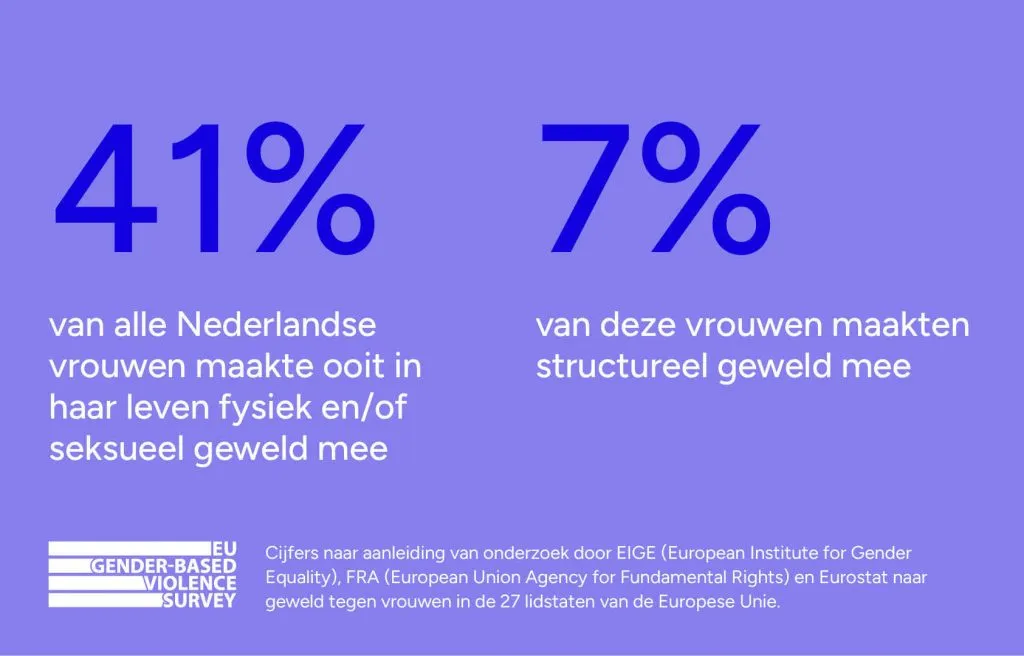
The figures show that violence against women is still widespread. A large-scale European study reveals that 41 per cent of women in the Netherlands have experienced physical and/or sexual violence at some point. Across the European Union, this figure stands at one in three women. This demonstrates that gender-based violence is a widespread social problem.
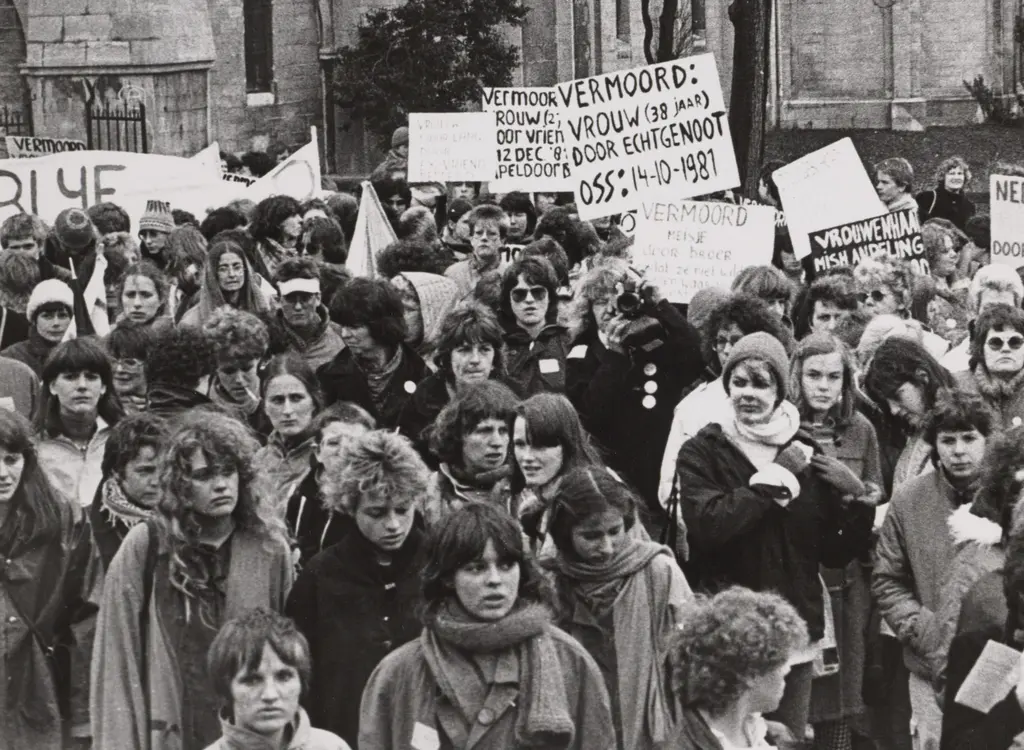
In 2025, 38 women in the Netherlands were victims of lethal violence. In more than half of these cases, the perpetrator was believed to be their partner or ex-partner.
The most recent figures from the Prevalence Monitor on domestic violence and sexually transgressive behaviour also show that women are more frequently victims than men. In 2026, 8.6 per cent of the Dutch population aged 16 and over reported having been victims of domestic violence in the past twelve months. That amounts to nearly 1.3 million people. The difference between men and women is clear: 10.1 per cent of women were victims, compared with 7.1 per cent of men. Furthermore, this violence is systematic for more women than men.
Women are almost three times more likely to be victims of sexually inappropriate behaviour than men. Young people are at an even higher risk in this regard. This applies in particular to young women, young women with a disability and bi+ women*. The study ‘As if you had no boundaries’ highlights the role that sexual orientation plays in bi+ women’s experiences of sexual violence.
*Bi+ is an umbrella term for anyone who is attracted to more than one gender.
Sense of (in)security
Violence also affects people’s sense of safety. The gender equality Monitor shows that women feel unsafe more often than men. This applies not only on the streets, but also in their own neighbourhoods. Women are more likely to feel unsafe in their own neighbourhood or when they are home alone in the evening. They also adapt their behaviour: they are more likely to avoid certain places or routes.
The pyramid of violence
To properly understand violence against women, it is important to examine the underlying structures. Atria therefore uses the term ‘gender-based violence’. This term encompasses violence that arises from or is linked to sex, gender or sexual orientation. The term makes it clear that violence is not separate from broader social structures, such as unequal power relations and attitudes towards the position of women and other groups based on their sex, gender and/or sexuality.
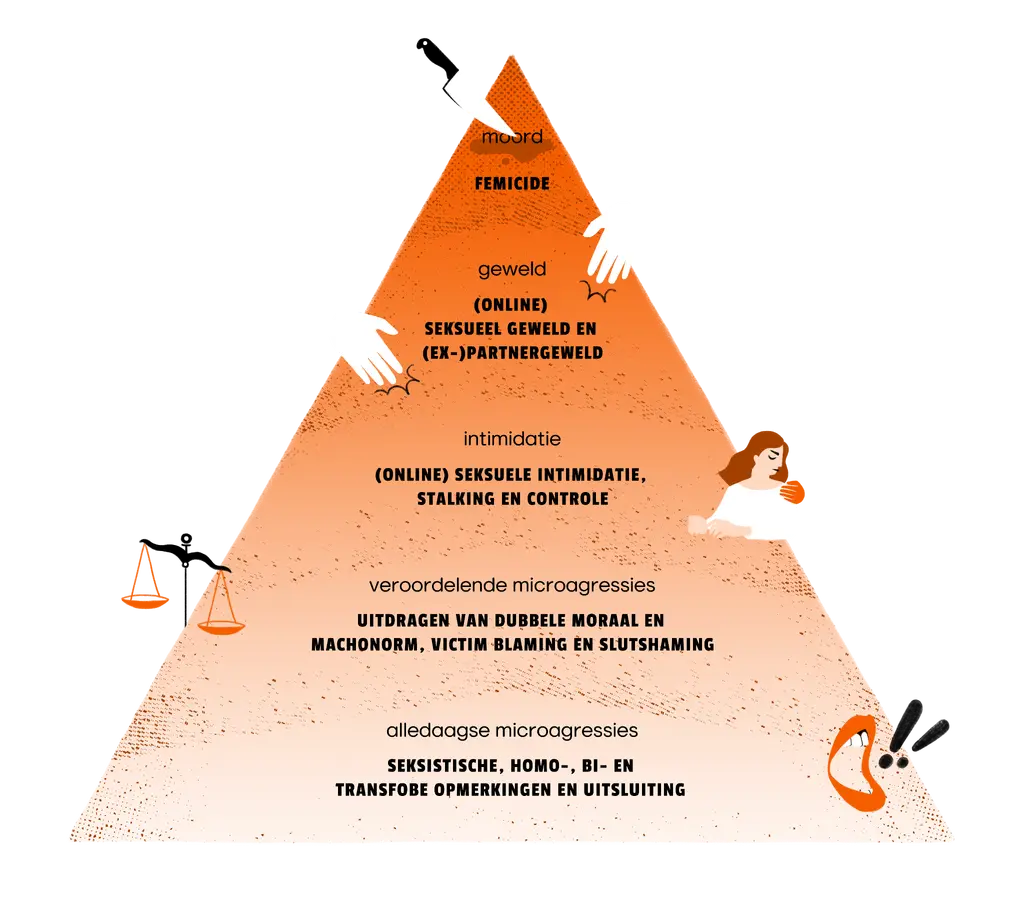
Seemingly ‘harmless’ expressions contribute to a culture in which more serious forms of violence become possible. Examples include sexist remarks, homophobic jokes and online hate. The Pyramid of Violence, developed by Act4Respect, illustrates how different forms of inappropriate behaviour are interlinked. The pyramid shows that serious forms of violence do not occur in isolation, but are part of a broader culture in which certain attitudes and behaviours are tolerated.
The influence of the manosphere
One of the developments that warrants attention is the growing influence of online masculinity and ‘manosphere’ content. The ‘manosphere’ consists of online communities and platforms where views on masculinity, femininity and gender relations are reinforced and disseminated.
The recently published study ‘Is this what it means to be a man?’ focuses on young men’s experiences with masculinity and manosphere content. It highlights what makes this content appealing and how consuming it relates to their views on gender, relationships and sexuality. It also highlights the potential risk and protective factors for sexually transgressive behaviour and violence against (former) partners.
The study shows that consuming manosphere content can reinforce existing rigid views on masculinity. This encourages young men to express these views more frequently. This is a cause for concern, as harmful views on masculinity can constitute a risk factor for sexist and sexually transgressive behaviour.
At the same time, it is important not to write off young men who view this content. At a stage in their lives when they are searching for their identity and their place in society, it is important to take their (genuine) concerns, questions and doubts seriously. This does not mean that harmful ideas should be accepted without question. However, it does require setting boundaries based on empathy and providing support to help them critically assess the online content they encounter.
Education and media literacy can play an important role in this. But individual support is not enough. Societal norms regarding masculinity and femininity must also be called into question. This requires a broader cultural shift: a society in which boys and men are given the space to deviate from rigid ideals of masculinity and in which qualities such as empathy, vulnerability and caring are valued.
Working with men and boys to combat violence against women
Combating gender-based violence requires more than simply addressing individual incidents. It also requires recognising and breaking down the rigid gender norms and societal patterns that enable and perpetuate violence. That is why it is crucial to involve men in the cultural change that is needed.
By making sexism and inappropriate behaviour open to discussion, challenging harmful gender norms and creating space for alternative forms of masculinity, we can work together towards a society in which everyone can move about safely and freely.