How is it that, despite numerous international conventions to address violence against women, Dutch policy has neglected the gendered nature of violence against women? What is the danger of gender-neutral policies? And what does that say about how we deal with femicide in the Netherlands today? Julia Estrada Londoño provides a historical political overview.
How is it that, despite numerous international conventions to address violence against women, Dutch policy has neglected the gendered nature of violence against women? What is the danger of gender-neutral policies? And what does that say about how we deal with femicide in the Netherlands today? Julia Estrada Londoño provides a historical political overview.
Gender-motivated violence has received increasing (inter)national attention in recent decades. "Gender-based violence" refers to the idea that violence is committed because of a person's gender identity. Although gender-based violence can also target men, it disproportionately affects women. Viewing violence against women as gender-based reveals its structural and ongoing nature. It explains not only who is targeted, but also why they are.
The 1980s: policies against sexual violence
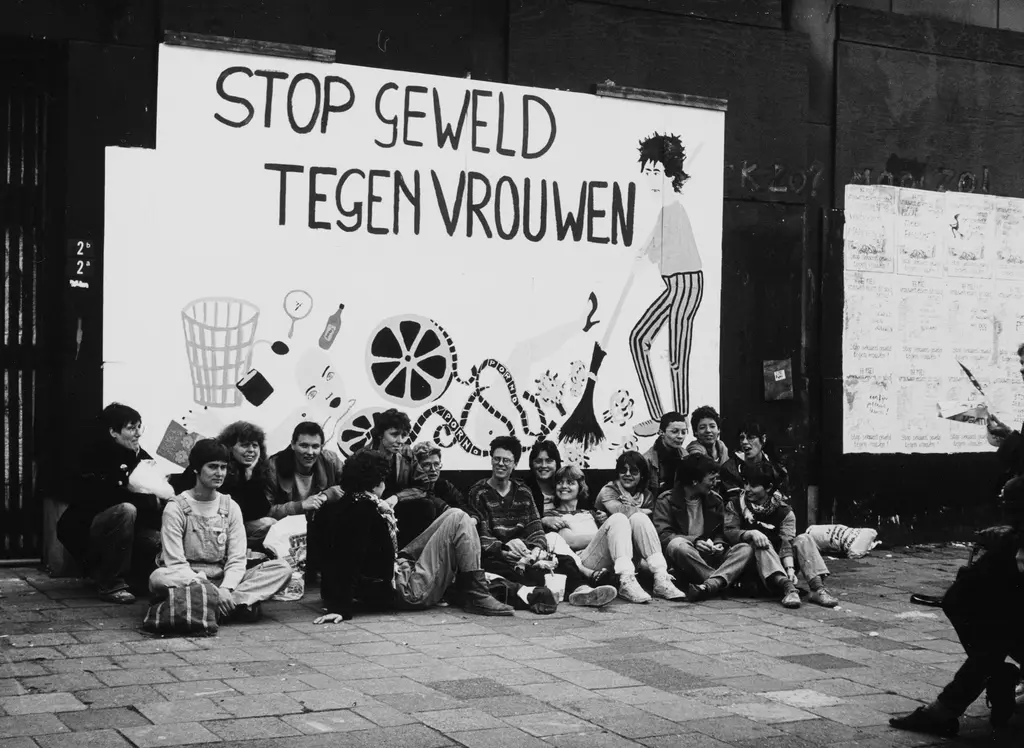
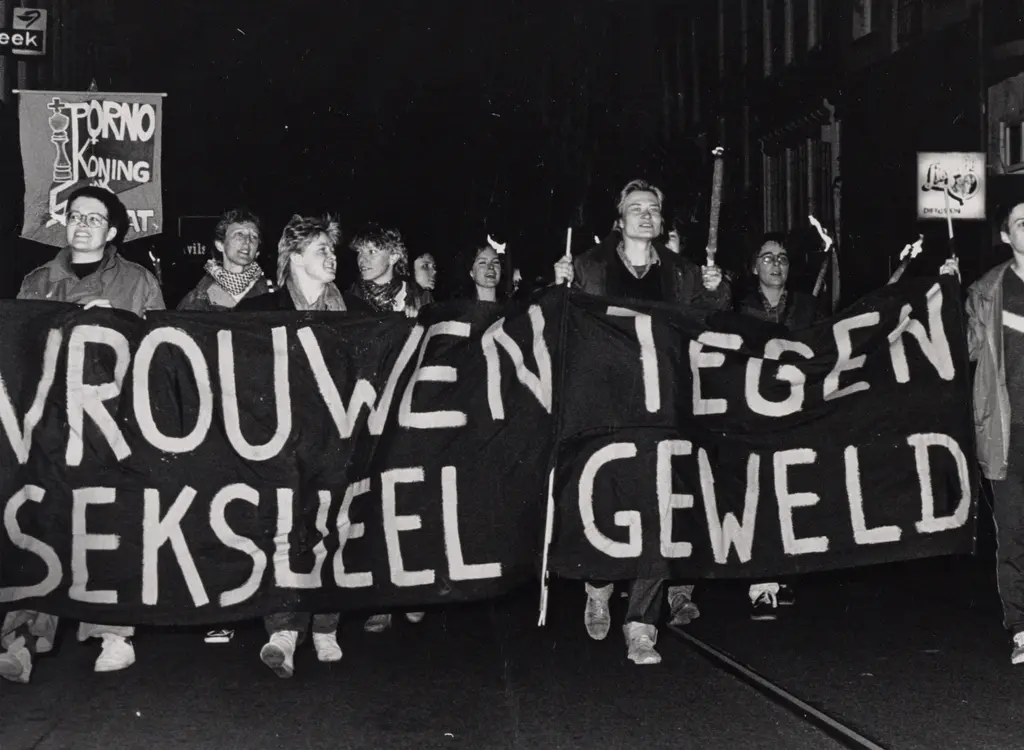
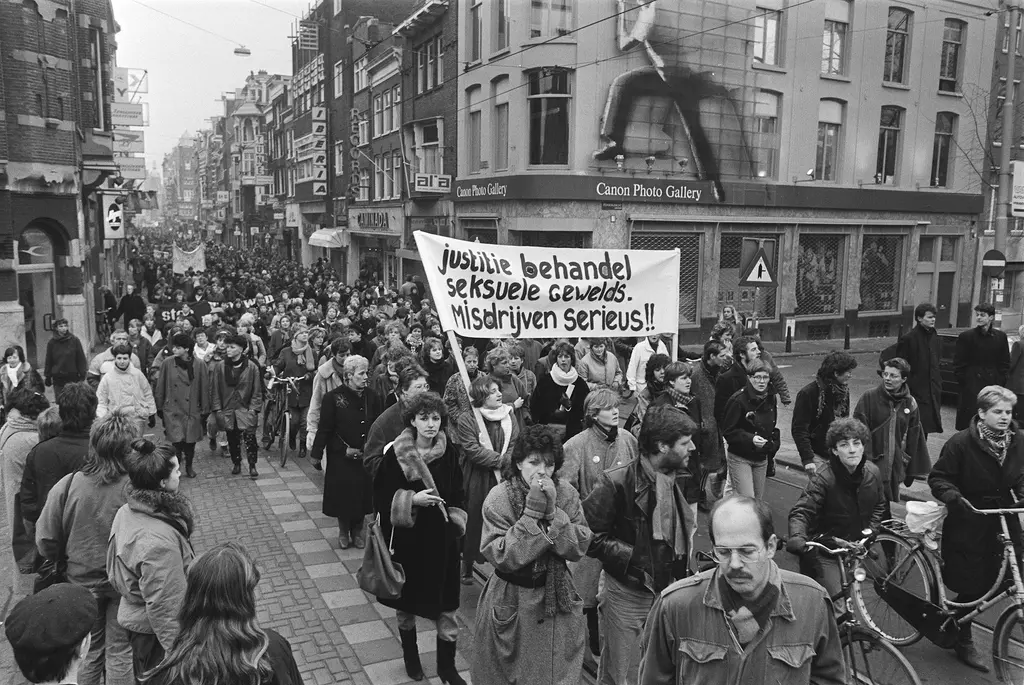
It would take until the 1980s for the government to implement policies related to violence against women for the first time. In 1982, the Dutch government invited feminist activists to advise and contribute to policy-making. The proposed plan was provided with a feminist perspective, which saw violence against women as a consequence of unequal power relations between men and women. The government mainly focused on eliminating 'sexual violence' against women and girls. In 1984, 'wife abuse' was first defined in national policy documents as 'physical and/or sexual violence against a woman's will by her male (ex)partner'.

No longer a private matter
For the first time, attention came to sexual violence in both private and public spheres. An important development: policies had previously focused only on the latter. The new vision broke taboos and the closed nature of the family: citing women's constitutional rights in the debate on violence turned the problem into a public issue. The government recognised the socially unequal position of women and the structural nature of the violence they faced. It led to government intervention: violence against women was now targeted with specific measures. These included public awareness campaigns and police training, and funding for certain forms of care (e.g. shelters).
The 1990s: gender-neutral policies
In the 1990s, any distinction between men and women was considered discriminatory. The gender-related and structural nature of violence against women, which had been emphatically addressed in the 1980s, now disappeared completely from policy. No longer the Ministry of Social Affairs and Employment was responsible for tackling it, but the Ministry of Welfare, Health and Sport. Violence against women had become a public health problem.
Obstructed progress
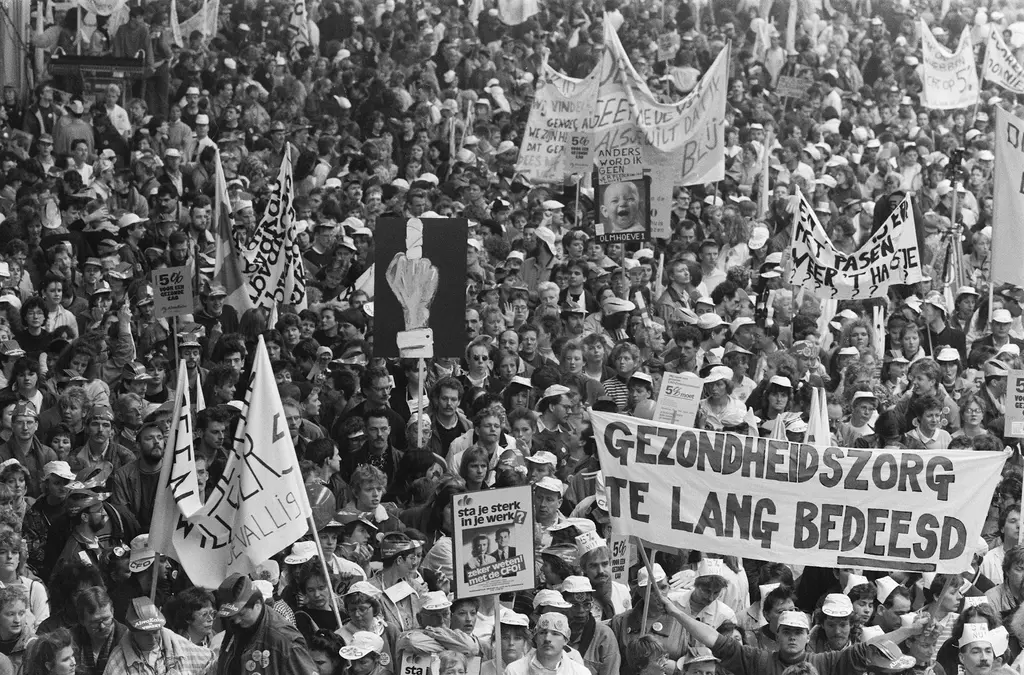
In 1991, marital rape was criminalised, a victory for Dutch women's movements. The 1990 policy plan also included recommendations for the improvement of police services and an obligation to register domestic violence. Help for victims of (sexual) violence now fell within mainstream care. However, these new policies were accompanied by the introduction of decentralisation and privatisation of health care. It led to hefty cuts and fewer government subsidies. Private women's organisations therefore received less financial support from the government and thus, unlike before, could offer less help to victims of violence.
Neutral into the 21st century
At the beginning of the 21st century, the Netherlands lost its leading position on gender equality: other countries took more rapid steps in the right direction. Globally, violence against women received increasing attention. The 1995 Beijing UN World Conference on Women and the 1997 European Parliament resolution on violence against women, for instance, drew attention to the importance of policies that take gender into account. The Dutch government proved impervious to this and decided not to include the gender perspective in policies. Instead, the Dutch government further transformed its policy framework on violence against women: they again opted for a gender-neutral approach. The feminist perspective available in the 1980s now disappeared completely from the public agenda.
Gender not a driver of violence
The new 2002 policy plan took a gender-neutral approach to both perpetrator and victim; it focused on the potential victimisation of boys and men. The definition of violence against women was narrowed by using the term "domestic violence". That term includes all forms of violence within the private sphere. In other words, the definition describes violence committed by all members of a household or family, without taking into account gender-related power dynamics and the disproportionate likelihood of victimisation of women and girls. This approach was widely criticised, for instance by the committee that checks whether countries comply with the 1979 UN Women Convention (Committee on the Elimination of Discrimination against Women, or CEDAW), for neglecting the indispensable relationship between gender and violence.
Domestic violence in policy
It urged the government to revise the policy plan; a new proposal followed in 2008. While this plan did recognise that the vast majority of victims of domestic violence are women, it did not include specific measures to counter violence towards them. Subsequent policies have also been developed from a gender-neutral approach with a focus on domestic violence. In 2013, the Ministry of Education, Culture and Science assessed through a "gender scan" how well Dutch policy took into account differences between men and women. The aim was to tighten that policy, but subsequent policy plans again lacked a gender perspective.
Focus on descent
Policies to prevent violence against women did take on a culture-specific character in the 21st century. In an attempt to be "inclusive" and "intersectional", policymakers began to distinguish between different ethnic minority groups and the extent to which they faced violence. Thus, the government wanted to show that there is a relationship between gender, ethnicity and potential victimisation. Although the government thus tried to address the undeniable presence of violence against women within these minority groups, it actually led to stigmatisation.
After all, addressing violence against women was gender-neutral. But the government did decide to register gender-specific cases of domestic violence among persons of non-western migration background. This ethnic profiling placed people from non-Dutch backgrounds in a separate box. This gives a false impression that violence against women is only gender-related in "non-Dutch" cultural groups. Violence against "Dutch" women is seen as an individual incident, while violence against women from non-Western migration backgrounds is seen as a cultural problem. Ethnicity then seems to be a predictor of the problem of violence. This while gender-based violence occurs in all cultures, among people of all backgrounds.
Now: femicide and Dutch policy
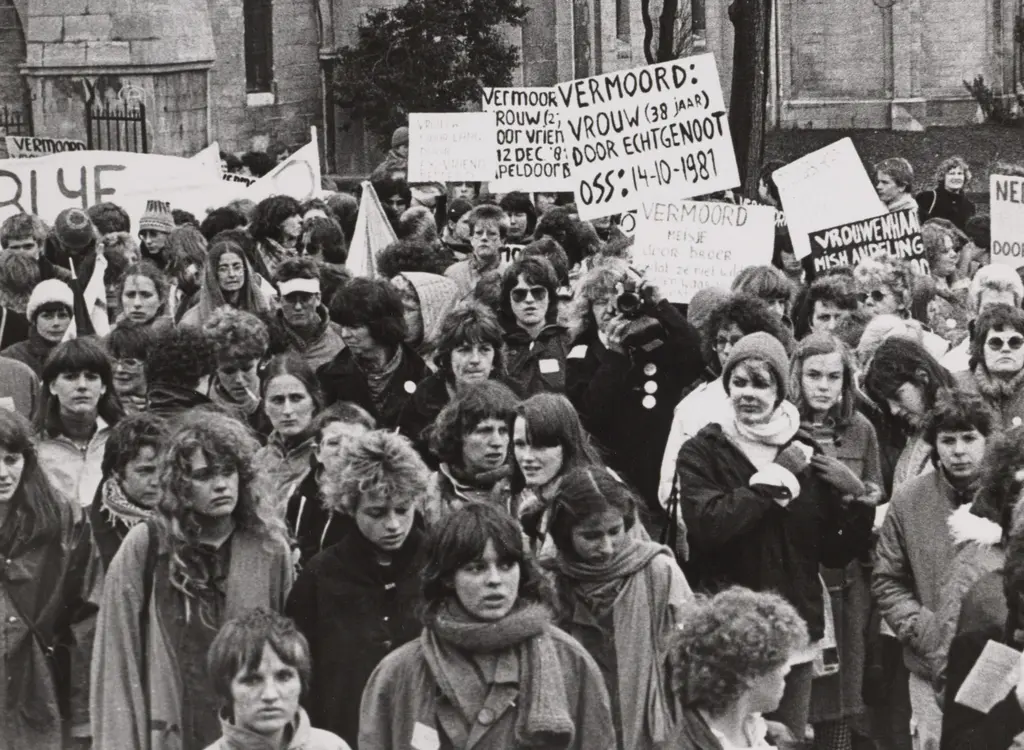
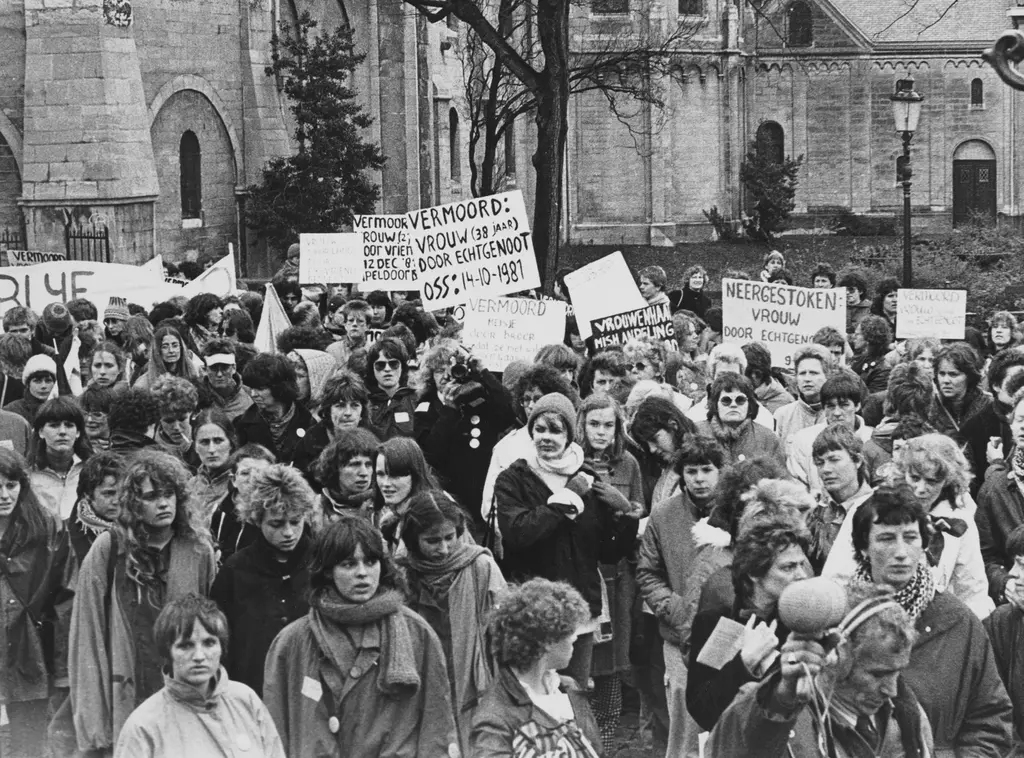
Femicide, the most extreme form of gender-based violence, is also not specifically mentioned within legislation in the Netherlands. Although other countries (e.g. almost all Latin American countries except Cuba and Haiti) recognise femicide within their national legal framework, the Netherlands does not include a definition of this phenomenon in the Dutch Penal Code. Femicide falls under gender-neutral provisions of Dutch criminal law, such as manslaughter and murder. The lack of a legal framework complicates the proper documentation and registration of femicide cases. Femicide cases are therefore still too often dismissed as individual cases. A gender-sensitive approach is therefore important: an analysis of policies in the Netherlands shows that gender-neutral policies ignore the structural nature of this type of violence.